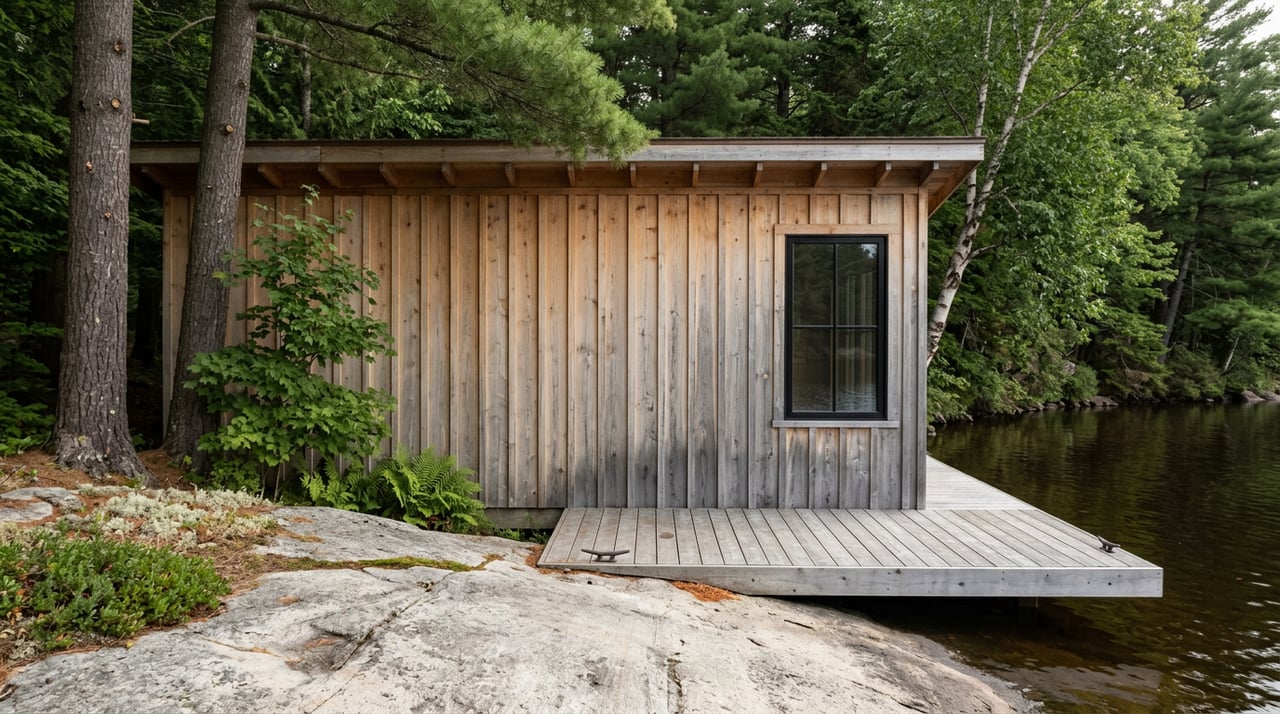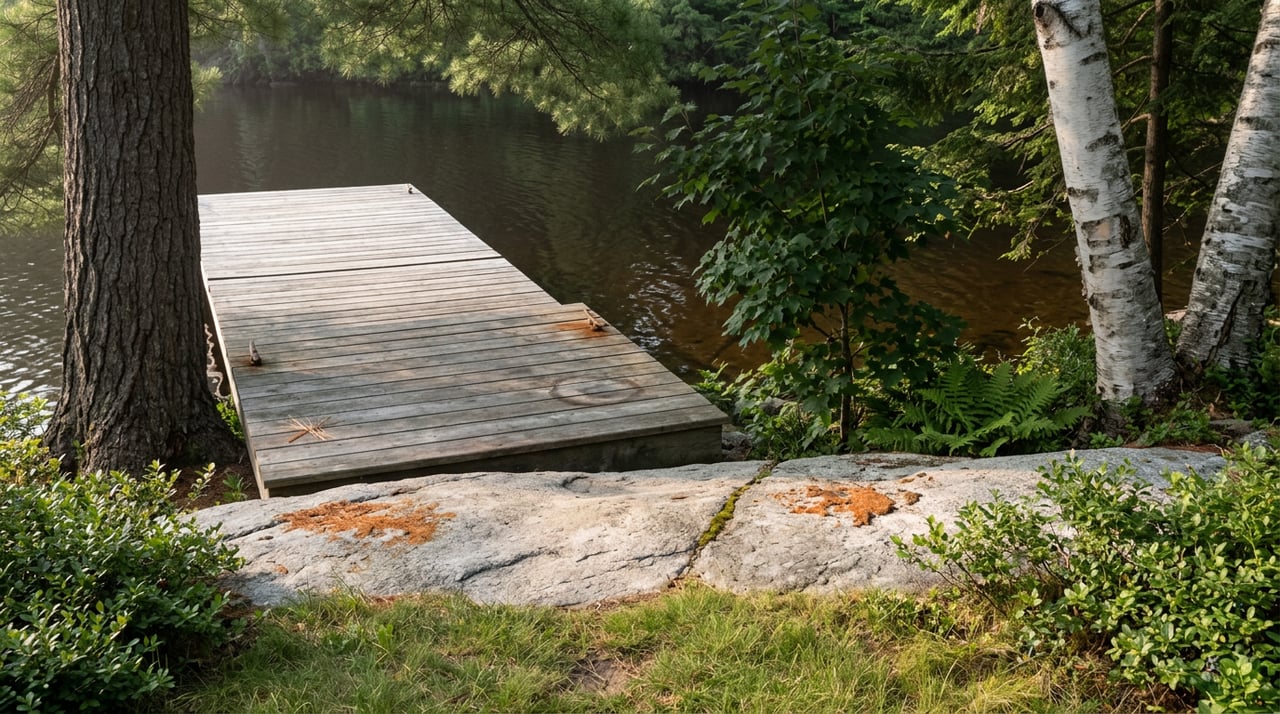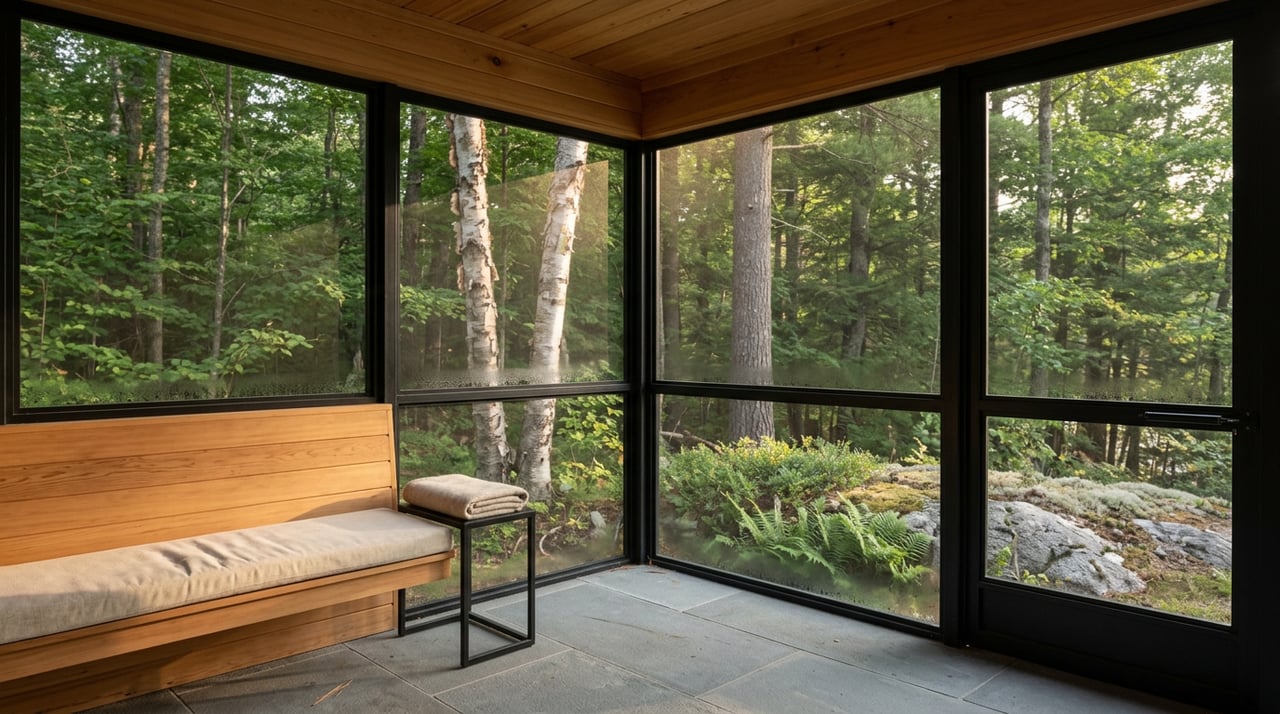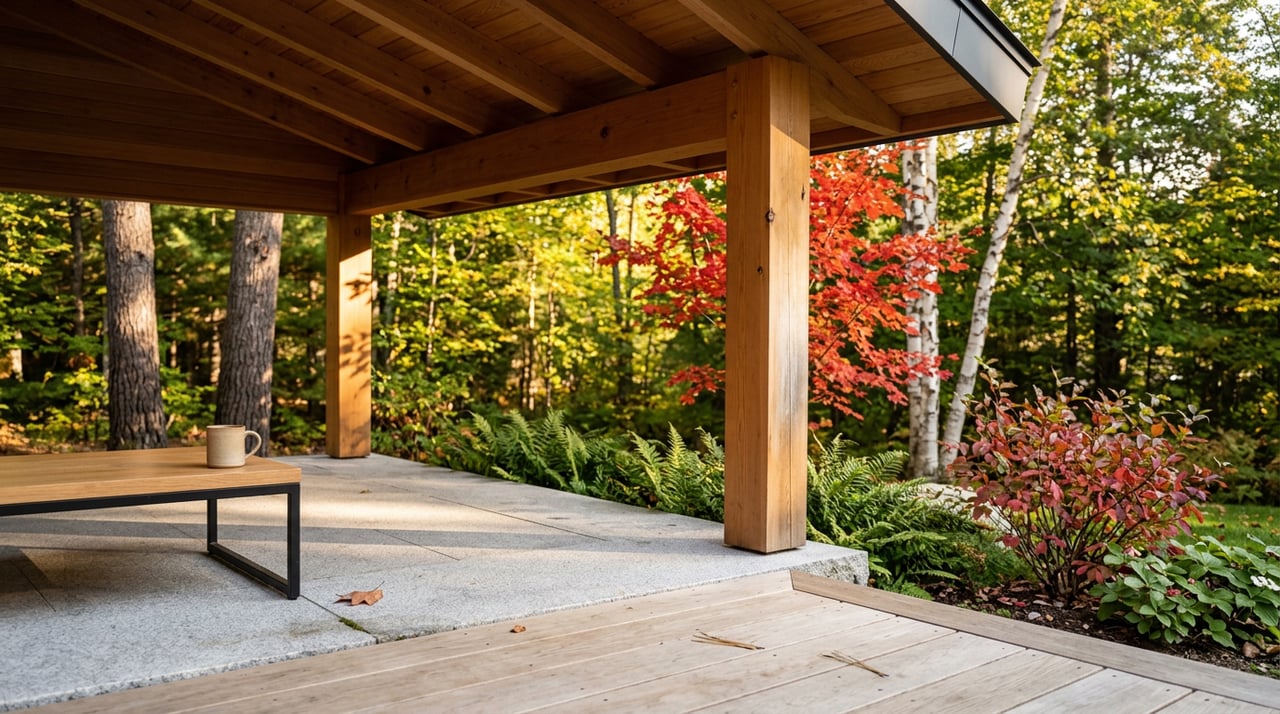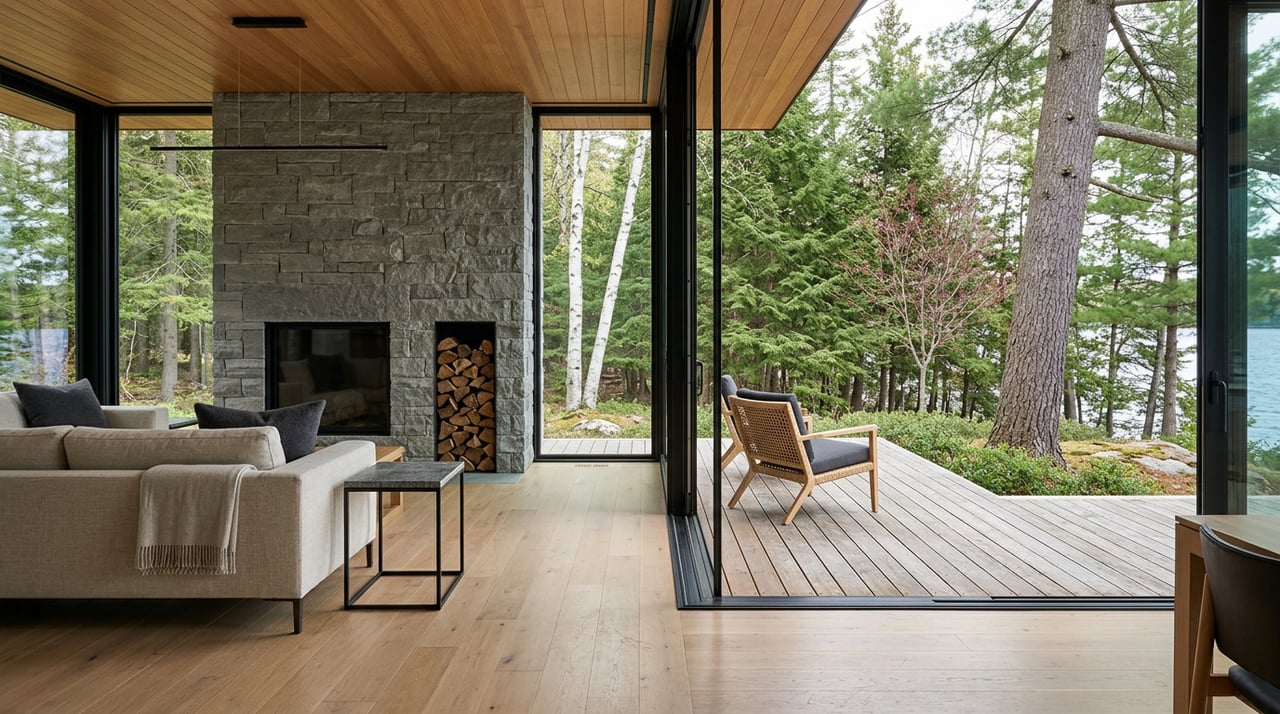
Is timing really everything when you sell a cottage? In Haliburton, it comes close. The right listing window can put your waterfront in front of the most motivated buyers, shorten days on market, and strengthen your final price. Here is a clear plan to pick the best season, prep what matters, and launch with confidence. Let’s dive in.
Best listing windows in Haliburton
Late spring to early summer
Your strongest window is late April through June. Many buyers want to be on the water for summer, so they start touring around the May long weekend and make decisions in June. Listings that show green canopy, clear shoreline, and dock life often pull the largest pool of lifestyle-driven buyers. Province-wide recreational reports also point to renewed interest early in the season, as demand builds into summer (Royal LePage recreational market outlook).
Early fall for year-round appeal
September to early October can work very well, especially for four-season cottages. Showings are less hectic, the water is still attractive, and serious buyers use fall to plan for winter or the following spring. If your property is winter-capable, fall marketing can highlight insulation, heating systems, and year-round access.
Today’s market reality in Haliburton
Recent reporting shows inventory increased and properties are taking longer to sell compared to the pandemic peak. In short, Haliburton shifted closer to a buyer-leaning market, with more choice and longer average days on market (Cottage Life market snapshot). Over the long term, waterfront values rose significantly through the 2010s, then softened after rate hikes, which means you should price to current comparable sales, not 2021–2022 highs (County of Haliburton Growth Study 2025 Update).
What this means for you: focus on condition, clear permits and shoreline documentation, and a pricing strategy that reflects today’s comps. In a higher-inventory market, a well-prepped cottage with transparent paperwork often sells faster and for more than an over‑priced listing that lingers.
Pre-list checklist that moves the needle
Shoreline, title, and permits
- Confirm whether a shore road allowance or Crown foreshore sits between your lot and the lake. If a dock or boathouse encroaches, gather municipal correspondence or closing by-laws. Local records show active shore road allowance closings in the area, and buyers will ask for proof of authorization (Algonquin Highlands council records).
- Collect permits and approvals for docks, boathouses, and in-water work. Some projects can trigger federal or provincial review, so documentation is important for buyer confidence (FOCA boating and shoreline guidance).
Septic and water systems
- Pump the septic and get a licensed inspection report before you list. Many systems are at or past design life, and a recent report removes a common point of negotiation (FOCA septic systems).
- If you have a private well, order a potable water test. You can also share lake monitoring context with buyers through the community science resources in the Lake Partner Program (FOCA Lake Partner Program).
Structures and shoreline condition
- Repair rotted dock boards, secure ladders and rails, and address any visible safety issues. For past shoreline improvements, keep paperwork on hand so buyers see evidence of compliance (FOCA boating and shoreline guidance).
- Favor naturalized shoreline plantings over hardening. Buyers increasingly value stewardship, and it helps avoid remediation questions (FOCA Lake Partner Program).
Paperwork and disclosures
- Gather survey, tax and utility bills, chattels and fixtures list, road or association agreements, and building permit history. Having these up front speeds diligence and reduces deal risk (Humber Real Estate Course summary).
Insurance and WETT
- Confirm current insurance terms and whether a WETT inspection is needed for wood-burning appliances. Insurability can impact financing, so clear it early.
Staging and photography
- Plan for professional photos and drone or boat imagery during leaf-on season. Add twilight dock shots for emotion and clear close-ups of shoreline, structures, and lot lines for diligence-minded buyers. If you plan a fall or winter launch, include images that showcase year-round access and winter systems.
Your 8-week roadmap to launch
Use this as a model and adjust for your property’s needs.
- Week 8: Decide your target window. Request a Comparative Market Analysis and start document gathering. Order septic pump and inspection plus a well test. Begin small exterior and dock repairs. A solid pre-list plan starts 4 to 8 weeks before market (Humber Real Estate Course summary).
- Weeks 6–7: Wrap up repairs that affect showings. Book professional cleaning, staging consult, and photography. Confirm any insurance items that could affect buyer financing.
- Weeks 4–5: Finalize staging. Capture pro photos and drone while the property looks its best. Draft listing copy and disclosures. If needed, file municipal paperwork related to shoreline or encroachments.
- Weeks 1–2: Go live on the market and be ready for strong early interest. The first two to three weeks test your price and presentation most directly, especially in higher-inventory conditions (Cottage Life market snapshot).
- Post-listing: Respond quickly to document requests. Offering pre-list inspection results or system reports can reduce conditions and shorten negotiations.
Pricing and negotiation tips
- Price to today’s sold comparables, not the 2021–2022 peak. In a market with more listings and longer days on market, an accurate price plus strong condition and complete documents typically outperforms an aspirational list that needs later reductions (Cottage Life market snapshot).
- Note financing realities. Lenders often distinguish between four-season cottages and seasonal properties. If your cottage is seasonal, the buyer pool and financing terms can differ, so set expectations on timing and conditions (vacation property financing overview).
- Confirm short-term rental status. If you operated as a short-term rental, verify licensing and municipal accommodation tax compliance. Buyers will want to know if rentals can continue under current rules, and non-compliance can hinder a deal (local STR licensing update).
How to pick the right window for your cottage
- Your property shines in summer images: Aim for a late spring to early summer launch. Capture vibrant shoreline, dock life, and clear water.
- You have a true four-season build: Consider early fall. Showcase winter access, insulation, and heating systems while the water and foliage still look great.
- You need time for repairs or documents: Use late winter and early spring to prep. Be ready to list just before May long weekend for maximum visibility.
- You must list off-season: Target serious buyers with a price aligned to comps and complete documentation. Off-season sales can still succeed with the right strategy, even if casual traffic is lighter (Royal LePage recreational market outlook).
What we do to elevate your result
- Lake-by-lake strategy: We understand how shoreline type, road access, and lake character shape buyer pools in Haliburton.
- Marketing-first approach: Professional photography, drone video, and high-quality copy showcase your waterfront lifestyle and your due diligence.
- Documentation leadership: From shore road allowances and permits to septic and water testing, we organize the paperwork that reduces friction and builds buyer confidence.
- Curated buyer reach: Our network connects you with serious, qualified buyers who value Haliburton and are ready to act.
Ready to time it right and go to market with confidence? Talk to Greg McInnis for a custom timing and prep plan, plus a data-backed price strategy. Get your free home valuation and a clear path to your best result.
FAQs
What is the best month to list a Haliburton waterfront?
- Late April through June typically draws the largest buyer pool aiming for summer use, with a secondary window in early fall for four-season properties (Royal LePage recreational market outlook).
How is the Haliburton market performing right now?
- Inventory and days on market are higher than the pandemic peak, so well-prepped, well-documented listings priced to current comps perform best (Cottage Life market snapshot).
Do I need a septic inspection before listing my cottage?
- It is strongly recommended to pump and inspect your septic and provide a current report, which reduces buyer conditions and supports a smoother sale (FOCA septic systems).
How do I handle permits for docks and boathouses?
- Gather all permits and authorizations for shoreline structures and in-water work, since multiple agencies can apply, and buyers often request proof (FOCA boating and shoreline guidance).
What should I know about short-term rental rules when selling?
- Confirm that your STR is licensed and compliant with any municipal accommodation tax, since rules affect whether a buyer can continue rentals and can impact negotiations (local STR licensing update).