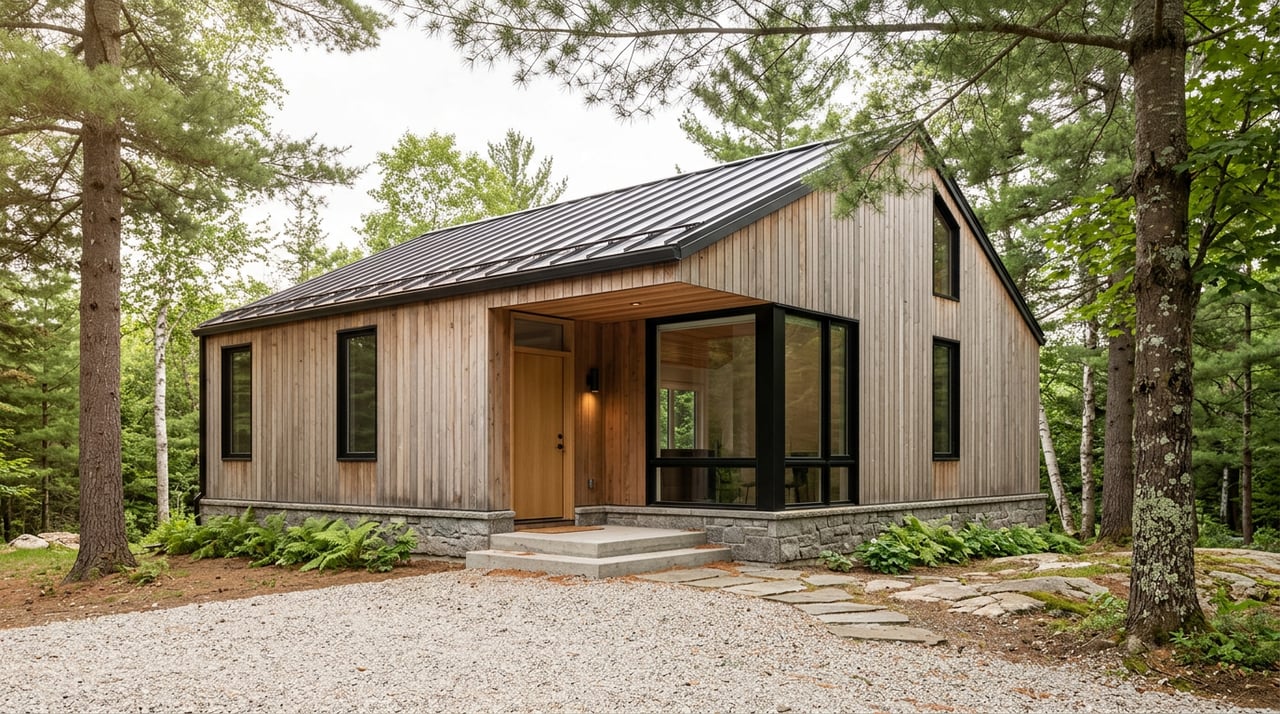
Staring at Haliburton listings and wondering if you should buy a turnkey cottage or build on that perfect lot? You want lake time now, but you also want a place that fits your family, style, and long-term plans. This guide lays out the real tradeoffs in Haliburton County so you can choose with confidence. You’ll see how market conditions, permits, costs, financing, and timelines stack up locally. Let’s dive in.
Build vs buy at a glance
Buying an existing waterfront
- Speed and certainty. You can often close in 30 to 90 days and enjoy the lake right away. Renovations can follow on your timeline.
- Negotiation potential. Recent reports show Ontario’s cottage market, including Haliburton, has cooled from pandemic peaks, which can benefit buyers with more choice and leverage. See the regional context in Cottage Life’s market snapshot.
- Known variables. You can inspect septic, water, shoreline, and access before you commit.
Building on a Haliburton lot
- Full customization. You choose layout, finishes, energy performance, and orientation.
- More time and permits. Expect multi-agency approvals for shoreline, septic, and building, plus seasonal construction windows.
- Cost risk. Material and labour costs remain elevated compared with pre‑pandemic levels, even as trends stabilize, so carry a contingency.
Current market and cost trends
- Buyer-friendly tone. After a pandemic surge, waterfront inventory rose and sales cooled in many cottage regions. That means more options and potential negotiating room on resales. Review the regional read via Cottage Life’s cottage‑market summary.
- Build costs are stabilizing, not dropping. Industry cost guides show construction pricing still higher than pre‑2020, with signs of stabilization through 2024–2025. That affects whether building pencils out. See Altus Group’s Canadian Cost Guide commentary.
Practical takeaway: If you value immediate use and budget certainty, buying often wins. Building can still be the right call if you secure a well‑priced lot or need specific design features, but set realistic expectations for time and cost.
Timelines you can expect
Buying an existing waterfront
- Typical path: offer, conditional due diligence, financing, and closing. Many buyers close in 30 to 90 days. If septic or water testing is needed, build that into conditions and timelines.
- Municipal file pulls and septic records. Local townships can help you confirm permits and septic files. Start with the Dysart et al Building & Septic Department portal.
- Rentals may add steps. If you plan to short‑term rent, confirm licensing and occupancy rules before waiving conditions.
Building on a cottage lot
- Pre‑purchase due diligence. Budget weeks to months to confirm title boundaries, any shore road allowance status, local zoning, shoreline buffers, and utility access.
- Permitting stack. Haliburton County enforces a Shoreline Preservation By‑law that regulates vegetation removal, fill, and site alteration near the water. Plan for County review within the shoreline buffer and municipal building and septic approvals. Start with the County’s overview of Shoreline Preservation By‑law 4169 and confirm municipal zoning and septic steps with your township.
- In‑water or reservoir lake work. On lakes tied to the Trent‑Severn system, some shoreline and in‑water projects also require Parks Canada approvals. Review Parks Canada’s development and planning guidance.
- Construction window. Build duration depends on access, servicing, soil and rock, and home type. Prefab or modular models can be faster. Ontario case studies report roughly 4 to 8 months for smaller prefab cottages and 8 to 12 months or more for full custom builds, not counting approvals. See examples and timing insights from MyOwnCottage’s Ontario guide.
Permits and rules to know in Haliburton
Haliburton County works alongside four lower‑tier municipalities: Dysart et al, Minden Hills, Algonquin Highlands, and Highlands East. Each has its own building and septic processes. Your path will likely include:
- County Shoreline Preservation By‑law. Within the first 20 metres of many shorelines, permits can be required for native vegetation removal, placing or dumping fill, and site alteration. Always check the County’s Shoreline Preservation By‑law page before planning shoreline changes.
- Municipal building and septic permits. Municipalities administer building permits and most on‑site sewage approvals. Dysart and others provide application checklists and timelines. See Dysart’s Building & Septic Department for expectations.
- Conservation and federal triggers. Floodplains, wetlands, and reservoir lakes can add approvals from a Conservation Authority or Parks Canada, especially for docks, boathouses, or in‑water work. Review Parks Canada’s Trent‑Severn guidance if your lake is regulated.
- Short‑term rentals and MAT. If rentals are part of your plan, Haliburton County’s Municipal Accommodation Tax applies, and many townships require STR licensing and tie occupancy to septic capacity. Learn about the County’s MAT on the Wade In FAQs and see Dysart’s Short‑Term Rental licensing details.
- Shore road allowances. Some waterfront lots have a shore road allowance between the lot and the water. Whether it is open, closed, or conveyed affects title boundaries and dock placement. Ask your lawyer to check the Parcel Register and discuss surveys if boundaries are unclear.
Cost drivers that move your budget
Buying costs to consider
- Immediate price vs upgrades. A resale cottage can be move‑in ready, but older septics, water systems, or shoreline structures might need updates. Build these into your offer strategy.
- Due diligence costs. Plan for inspections, a septic pump and inspection, water testing, and surveying if boundaries or shoreline allowances are uncertain.
- Energy or layout changes. Kitchen, bath, window, or insulation upgrades are optional and can be phased.
Building costs to consider
- Structure and finishes. Published Ontario guides and builders often cite wide per‑square‑foot ranges that vary by design, finish, and site complexity. Costs remain higher than pre‑2020 but have shown signs of stabilization, per Altus Group’s cost commentary. Get quotes from at least two local builders.
- Septic system. On shoreline lots, septic is a major line item. Industry guidance in Ontario generally ranges from about 10k to 20k for a conventional system and 20k to 50k or more for raised or advanced systems, depending on soils and elevation. See an installer’s overview of common septic costs.
- Water supply. Drilled well costs vary widely by depth and geology. Plan early for drilling availability and any required treatment or frost protection.
- Site preparation and access. Rock, slope, driveway length, hydro service distance, and retaining elements can add significant dollars and weeks. Shoreline work inside the buffer may require a County permit and mitigation.
- Soft costs and contingency. Design, surveying, engineering, development charges if applicable, building and septic permits, ESA electrical approvals, and inspections all add up. Carry a contingency of at least 10 to 15 percent for remote or custom builds. Timing buffers matter too.
Financing realities
- Vacant land is different. Lenders often require larger down payments and shorter terms for land. Serviced lots may qualify at lower down payments, while raw or remote parcels can require 35 to 50 percent down or private financing. For a clear overview of typical Canadian norms, read LendingHub’s land‑financing guide.
- Construction mortgages use draws. Funds are advanced at project milestones and usually need a detailed contract, plans, permits, and an “as‑completed” appraisal. Make sure your builder’s draw schedule matches your lender’s.
- Buying an existing cottage can be simpler. Traditional mortgages are common, but underwriters will look at road access, winterization, and distance to services.
Two local paths, side by side
Snapshot A: Buying on a big lake
You spot a well‑kept cottage on a popular Haliburton lake. You negotiate a price that reflects some dated finishes and a roof nearing replacement. You insert conditions for septic and water testing and confirm no outstanding shoreline violations. You close in about 45 days and enjoy the summer. Over the shoulder season, you update the kitchen and replace the roof on your schedule.
Why it worked: You valued immediate use and budget certainty in a buyer‑leaning market. You accepted manageable cosmetic work in exchange for speed and clarity.
Snapshot B: Building on a wooded lot
You buy a treed lot with good privacy and western exposure. Your pre‑permit work includes a survey, septic design, and a check on the shoreline buffer rules. The County shoreline permit is required for minor site work within the buffer, and the municipality approves a raised septic due to soil conditions. Permits take several months to assemble across agencies. Your prefabricated shell arrives once the driveway, hydro, and foundation are ready. Construction wraps the following season after weather delays.
Why it worked: You wanted a specific layout and higher energy performance. You were comfortable carrying a larger contingency to manage site surprises and schedule risk.
A simple decision matrix
Use these filters to frame your choice:
- Budget certainty. If you prefer fixed costs and fewer surprises, buying an existing cottage usually offers clearer numbers. Building needs a strong contingency.
- Timeline. Need the lake this season? Buying wins. If you can wait a year or more, building opens custom options.
- Risk tolerance. Building introduces permit steps, site unknowns, and potential delays. Buying shifts effort to inspections and any targeted renovations.
- Design control. If layout, window walls, and energy specs are non‑negotiable, building may be worth the wait.
- Rental plan. If short‑term renting is part of your model, confirm municipal licensing, septic capacity, and County MAT before choosing a property type.
Action steps for Haliburton buyers and landowners
Confirm title and boundaries. Ask your lawyer to pull the Parcel Register. If the shoreline boundary is unclear or an old survey exists, consider a new OLS survey.
Check zoning and septic files. Contact your township for permitted uses, EP overlays, and septic records. Start with the Dysart et al Building & Septic Department.
Validate shoreline rules. Review the County’s Shoreline Preservation By‑law page to see what is allowed within the buffer and whether you need a shoreline permit.
If your lake connects to the Trent‑Severn. Confirm whether in‑water work will require Parks Canada review using their development guidance.
Get two builder quotes. Ask for a scope breakdown that includes site prep, septic, well or water system, hydro, and seasonal allowances. Compare prefab and custom timelines using Ontario examples from MyOwnCottage.
Price septic early. Ask a designer or installer for a concept and budget range. Use an Ontario installer’s overview of septic system costs as a starting point.
Talk to a lender or broker. Discuss land lending, a construction mortgage with draws, or a conventional mortgage for an existing cottage. Read LendingHub’s overview of land financing.
If you plan to rent. Review the County’s MAT FAQs and your township’s STR licensing rules, such as Dysart’s program, which ties occupancy to septic capacity.
Weigh the tradeoffs. If immediacy and certainty matter most, buy the best cottage you can on the best lot you can. If design and long‑term performance matter most, build with a realistic schedule and contingency.
Ready for local advice?
Whether you decide to buy now or build over time, the best outcomes come from clear due diligence and local expertise. If you want an experienced Haliburton partner to source the right waterfront, pressure‑test permits, and connect you with reputable builders, reach out to Greg McInnis for a focused plan.
FAQs
What permits do I need to build near the water in Haliburton?
- Expect a County shoreline permit within the buffer, plus municipal building and septic permits. In‑water or reservoir lakes may trigger Parks Canada review.
How long does building a cottage usually take in Haliburton?
- Plan for several months to assemble approvals, then about 4 to 8 months for smaller prefab builds or 8 to 12 months or more for full custom, depending on site and season.
Is it cheaper to build or buy right now?
- It depends on your lot, design, and the resale options available. Construction costs remain higher than pre‑2020, while resales show more buyer leverage than during the pandemic surge.
Can I rent out my Haliburton cottage on a short‑term basis?
- Many townships require STR licensing and tie occupancy to septic capacity. The County also levies a Municipal Accommodation Tax on short‑term stays.
What is a shore road allowance (SRA) and why does it matter?
- It is a historic strip between a lot and the water on some lakes. Its status affects title boundaries and where you can place docks or structures. Have your lawyer confirm its status.
How hard is it to get financing for land and construction?
- Land loans often need larger down payments, and construction mortgages use progress draws with detailed plans and contracts. Ask a broker about a land plus construction package early.