Imagine starting your day with coffee on the dock, then cruising by boat into Haliburton Village for fresh groceries and a relaxed lunch on the water. If you want an easygoing cottage rhythm with real convenience, Haliburton’s five-lake chain delivers a rare mix. You get the freedom to explore multiple lakes, the culture and services of a lively village, and the privacy of wooded shorelines. In this guide, you’ll learn what daily life feels like, how the seasons shape your routine, and the practical details to check before you buy. Let’s dive in.
What the five-lake chain feels like
The five-lake chain is all about connection. Channels and narrows link the lakes, so boating between them is part of everyday life rather than a special trip. You can explore quiet coves, visit friends on another lake, or head straight into the village by water.
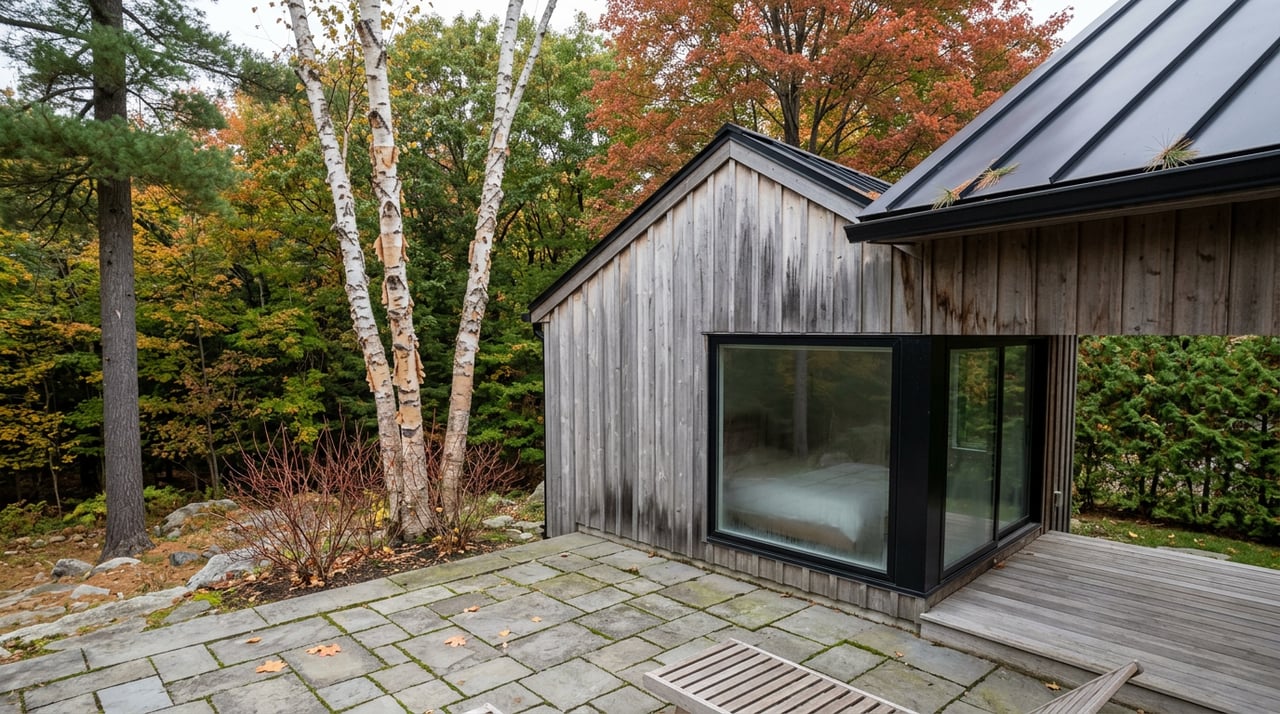
Shorelines vary widely. Near the village, you’ll see more developed cottage lots and docks. As you move away from town, the scenery shifts to classic Haliburton Highlands rock, forest and natural buffers. Every lot feels different, from gentle entries to steeper slopes.
Haliburton Village is the social and service hub. You can boat in for groceries, supplies, galleries and restaurants, then slip back to your dock for a quiet evening. That waterfront-village routine sets the chain apart.
Daily life through the seasons
Summer routines
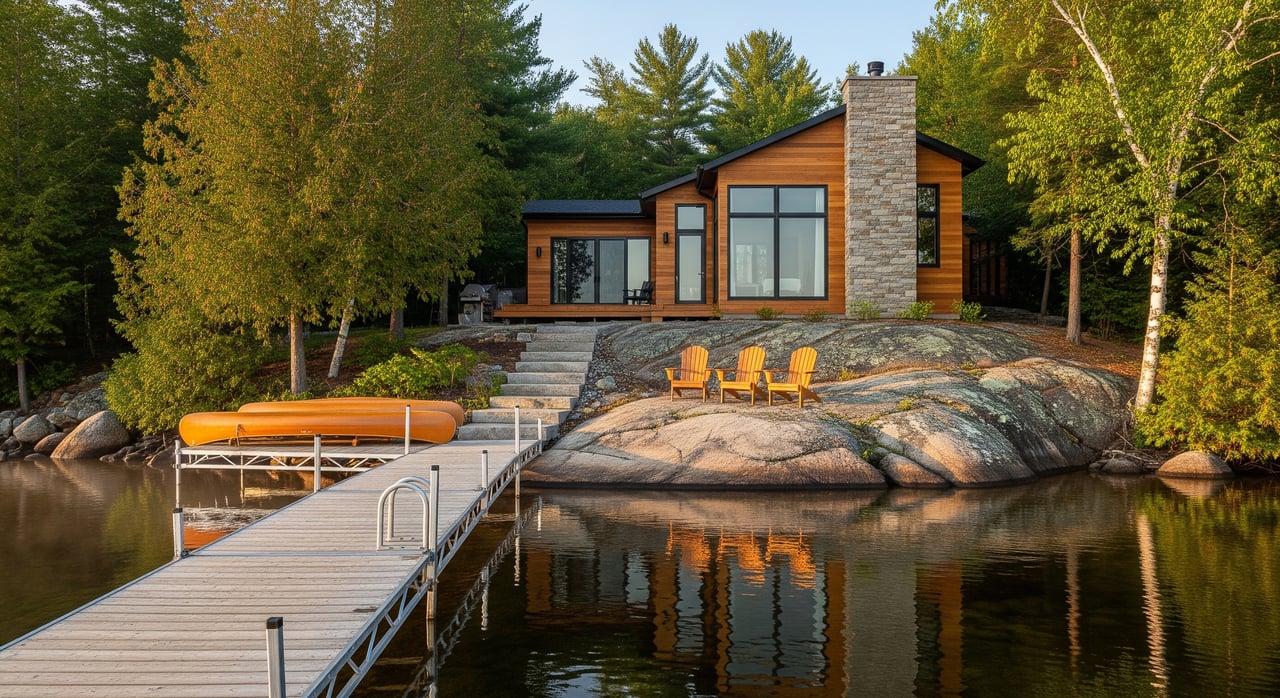
Summer is cottage season in full color. Mornings on the dock, midday swims, afternoon cruises and unrushed dinners are the norm. Pontoons and small powerboats are popular for family outings, while kayaks and canoes give you quiet time on the water. Many owners treat boating to the village for errands or dining as a weekly habit.
Expect a sociable vibe from mid-June through August. Neighbors, extended family and visitors create an easy flow of gatherings, dock chats and evening fires. Marinas, public docks and municipal boat launches support these patterns.
Spring and fall
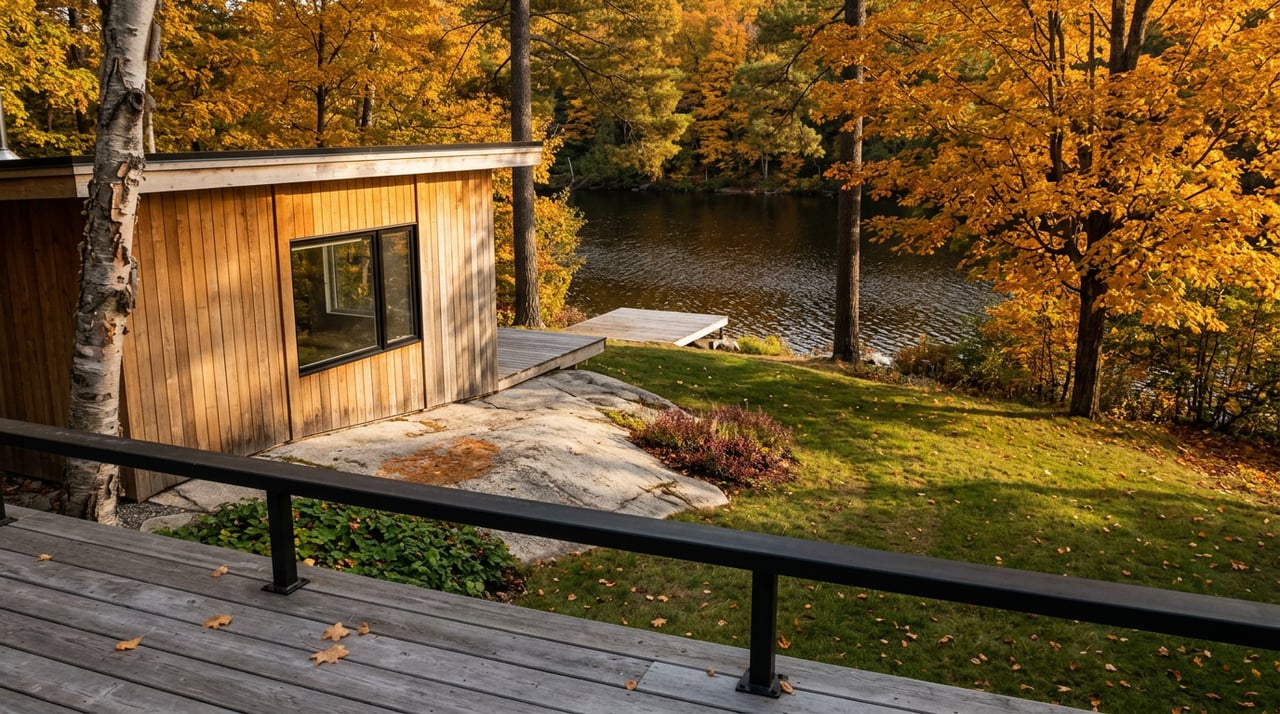
Spring means opening up, checking systems and watching water levels. You’ll focus on getting docks in, clearing the shoreline and making sure septic and water systems are ready. Fall is a favorite for many owners. Crisp air, calm water and vivid foliage set the scene for fishing, hiking and quiet weekends.
Maintenance tends to cluster in these shoulder seasons. Plan for dock work in spring, winterizing in fall and small projects when the lake is quieter.
Winter on the chain
Many lakes freeze reliably, and winter brings a different kind of fun. You can try ice fishing, snowmobiling, cross-country skiing and snowshoeing. Some cottages are fully set up for year-round driving, while others are more remote and rely on winter trails or snowmobile access.
Road maintenance and response times can differ from summer. If you want year-round use, confirm municipal plowing, private road arrangements and driveway conditions before you commit. Reliable winter access is a practical must for many buyers.
Everyday practicalities
Cell and internet service can vary by shoreline and topography. Some owners use mobile data, fixed wireless or satellite options to stay connected. Most cottages have hydro and private wells, and septic systems are common. You can handle everyday shopping, pharmacy needs and hardware runs in the village, but specialty items may require a drive to larger centers.
Boating, safety and on-water fun
Boating is the center of life here. You will see social pontoons, aluminum runabouts, fishing rigs and paddle craft throughout the season. Calm mornings and golden-hour cruises are hard to beat.
Safe, courteous boating
In Canada, boat operators must carry a Pleasure Craft Operator Card. On the water, expect no-wake zones, speed limits near docks and marked hazards. Courteous boating protects shorelines, helps neighbors enjoy their time and keeps everyone safe.
Fishing and wildlife
Sportfishing is a big draw. Anglers commonly target bass, walleye and perch across Haliburton-area waters. Licenses, seasons and size or possession limits are regulated provincially, so check the current rules before heading out. Wildlife is part of daily life, with loons, deer and waterfowl common. Regional wilderness areas can include larger animals, so stay aware.
Haliburton Village arts, eats and services
The village is a true cottage-country hub. You will find a mix of galleries, studios and frequent arts and craft events. Restaurants, grocery stores, pharmacies, hardware, marinas and some marine services make day-to-day needs simple.
The best part for many owners is access by water. You can dock, pick up supplies or meet friends, then be back on the lake by sunset. That blend of culture and convenience gives the chain a unique rhythm.
Ownership essentials on the chain
Title, access and surveys
Waterfront ownership comes with details to confirm. Review riparian rights, dock rights and any easements on title. Some older properties include long-standing private docks, while others rely on shared or municipal options. Because waterfront boundaries can be irregular, a current land survey is a valuable tool when you plan improvements or need clarity on setbacks.
Permits and shoreline work
Many projects require permits. Docks, boathouses, additions and shoreline hardening typically fall under municipal building rules and conservation authority oversight. Shoreline alterations, vegetation removal and any work below the high-water mark often trigger reviews and approvals. Before you act, contact the local municipality and the relevant conservation authority to confirm current requirements.
Septic, wells and inspections
Most cottages use private wells and septic systems. Ask for recent septic inspection or maintenance records and well-water test results. In Ontario, septic systems are regulated by local health units. Proper care protects your investment and the lake.
Insurance and taxes
Insurance for waterfront properties can be specialized. Providers may request inspections or reports and recommend coverage such as water damage, sewer backup or ice-related roof protection. Secure quotes early to understand costs. Property taxes for waterfront can be higher, and assessments vary by lot and improvements. Review municipal records and factor taxes into your ownership budget.
Stewardship and water quality
Prevent invasive species
Aquatic invasives such as zebra mussels and Eurasian watermilfoil are a real concern across Ontario. Follow best practices: clean your boat and gear, drain bilges and avoid moving bait or aquatic plants between water bodies. Small habits protect the lakes for everyone.
Support healthy shorelines
Nutrient runoff can fuel algae and cyanobacteria in warm months, especially in shallow or enclosed bays. Natural shoreline buffers, careful septic stewardship and smart stormwater management help keep the water clear. Preserving native vegetation also stabilizes banks and supports habitat. These approaches often align with permit conditions.
Buyer checklist for due diligence
Use this list to focus your viewing and offer conditions:
- Confirm legal access, easements and whether dock or boathouse rights are included.
- Request recent septic inspection and maintenance records and well-water test results.
- Obtain a current land survey and check setbacks and legal shoreline lines.
- Ask about shoreline stabilization, previous permits and conservation authority approvals.
- Verify zoning, building-permit history and what future alterations would require permits.
- Confirm insurance availability and request quotes early.
- Check cell and internet service at the property and verify winter road maintenance if year-round use is important.
When in doubt, contact the local municipality, the regional conservation authority and the local health unit to verify current standards before you proceed.
Is life here right for you?
If your ideal cottage day includes quiet mornings on the dock, afternoon swims and the ease of boating into a village for dinner, the five-lake chain fits the bill. You can choose a shoreline that matches your pace, from lively stretches near public docks to more tucked-away bays. The seasonal rhythm is real, with summer energy balanced by reflective springs, colorful falls and a serene winter.
The key is doing your homework on access, permits and systems. With the right guidance, you can enjoy a seamless transition into chain life and protect your long-term value. If you want a clear, local perspective on specific lots, shoreline rules and market trends, connect with Greg McInnis to explore your options.
FAQs
What is Haliburton’s five-lake chain?
- It is a linked system of inland lakes around Haliburton Village where channels and narrows make boating between lakes and into the village part of everyday life.
Can you boat into Haliburton Village for supplies?
- Yes, many owners regularly boat into the village in summer for groceries, dining, events and basic services using public docks and marinas.
What permits do I need for docks or shoreline work?
- Docks, boathouses, additions and shoreline alterations typically require municipal permits and conservation authority approvals, so check both before starting.
Is winter access reliable across the entire chain?
- It varies by property; some roads are maintained for year-round driving while others rely on winter trails or snowmobile access, so verify road maintenance in advance.
How is internet and cell service on the chain?
- Coverage can be variable by shoreline and terrain; many owners combine mobile data, fixed wireless or satellite to achieve reliable connectivity.
How busy does boat traffic get in summer?
- Activity levels vary by location; narrow channels and areas near public docks tend to see more summer traffic than quieter stretches of shoreline.