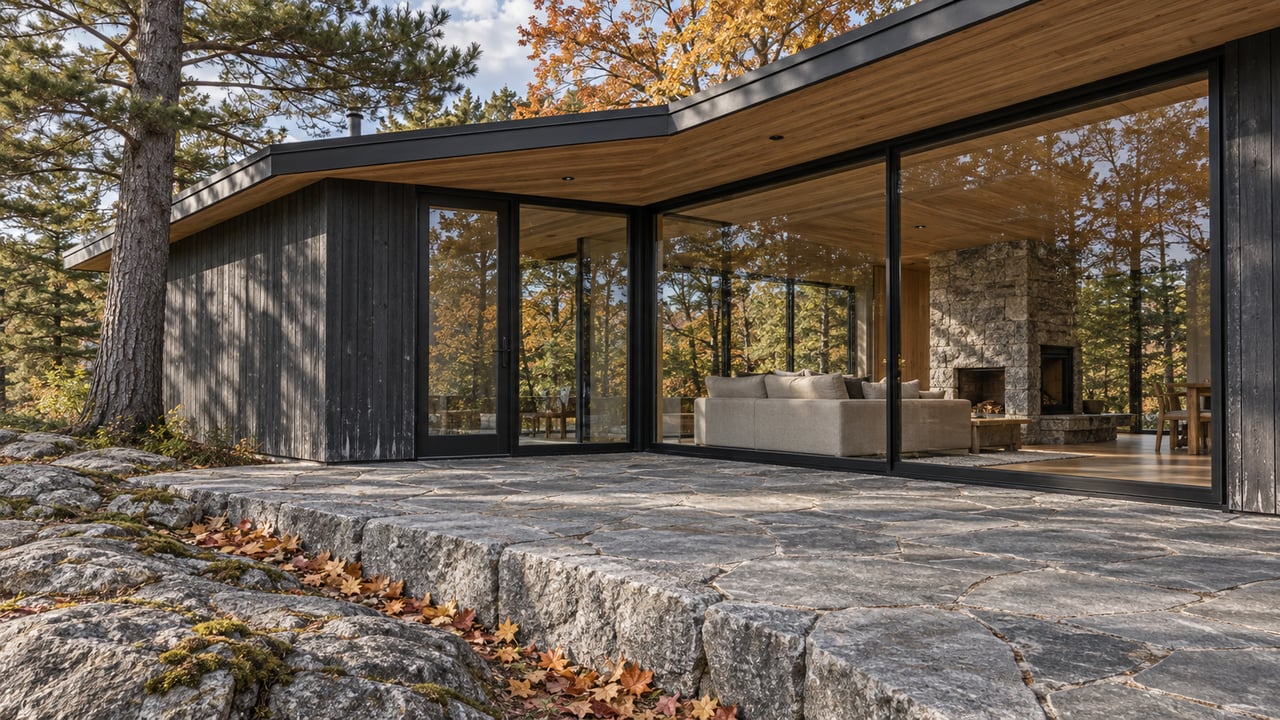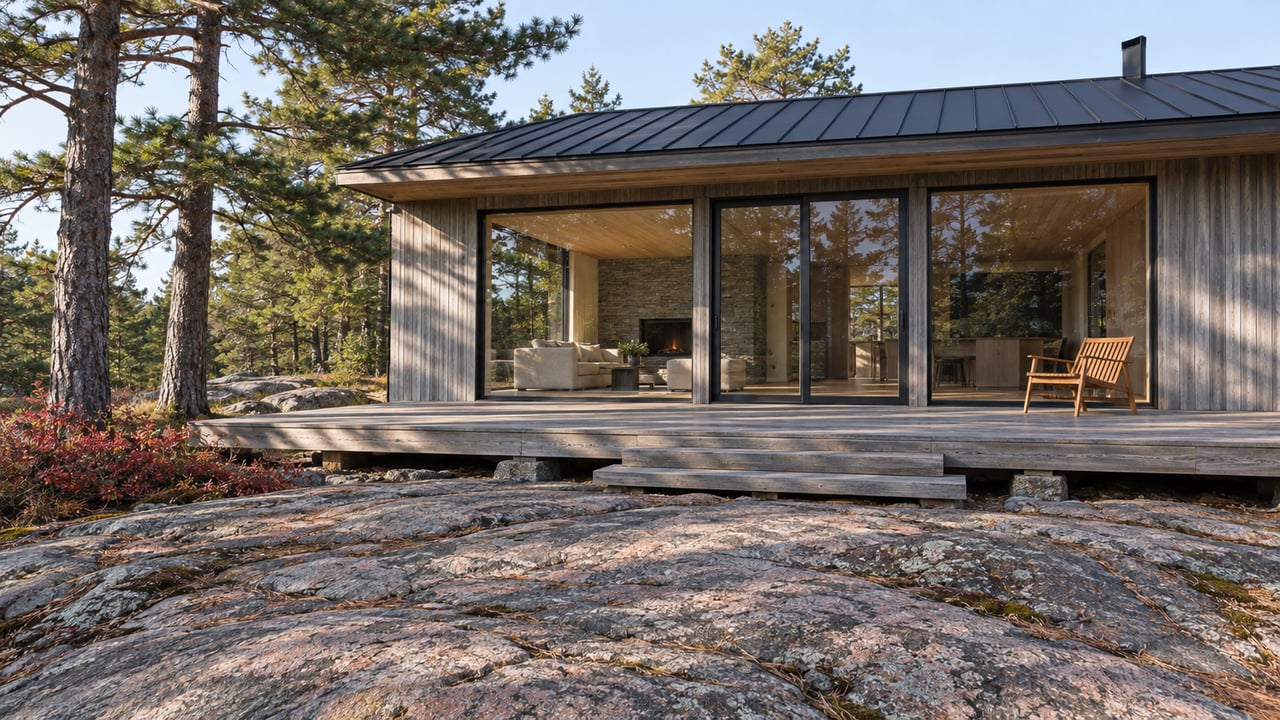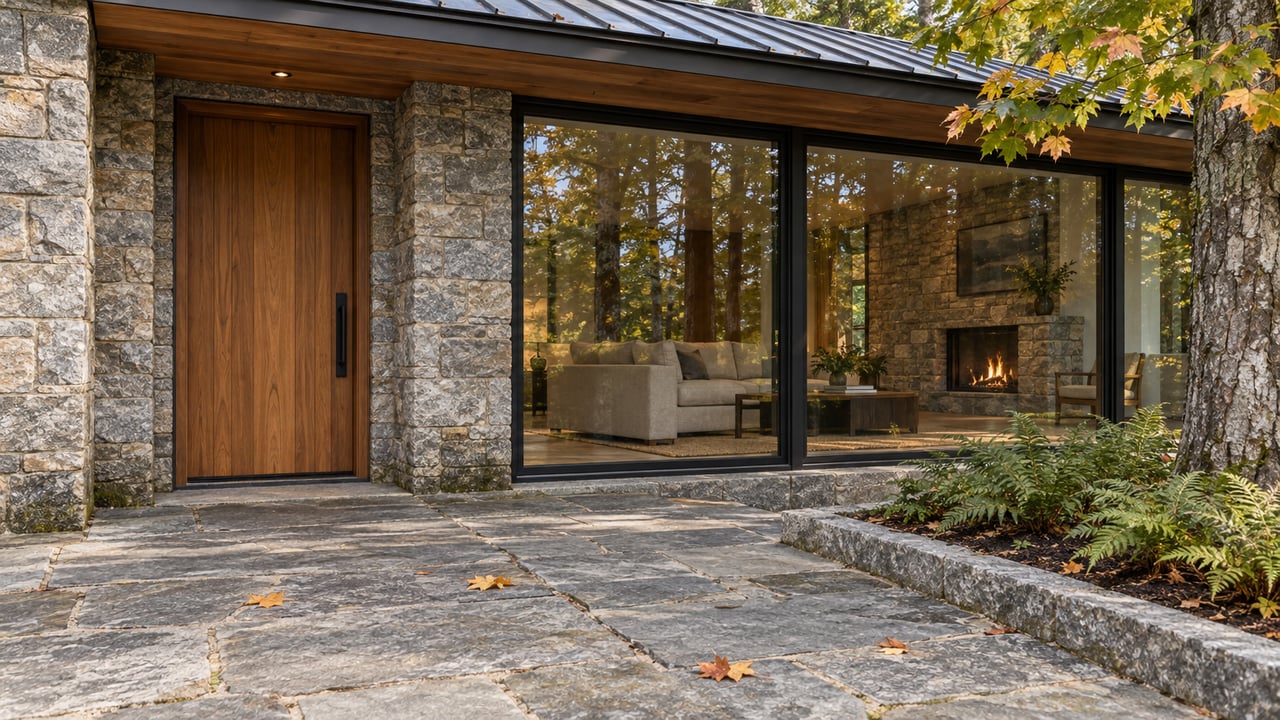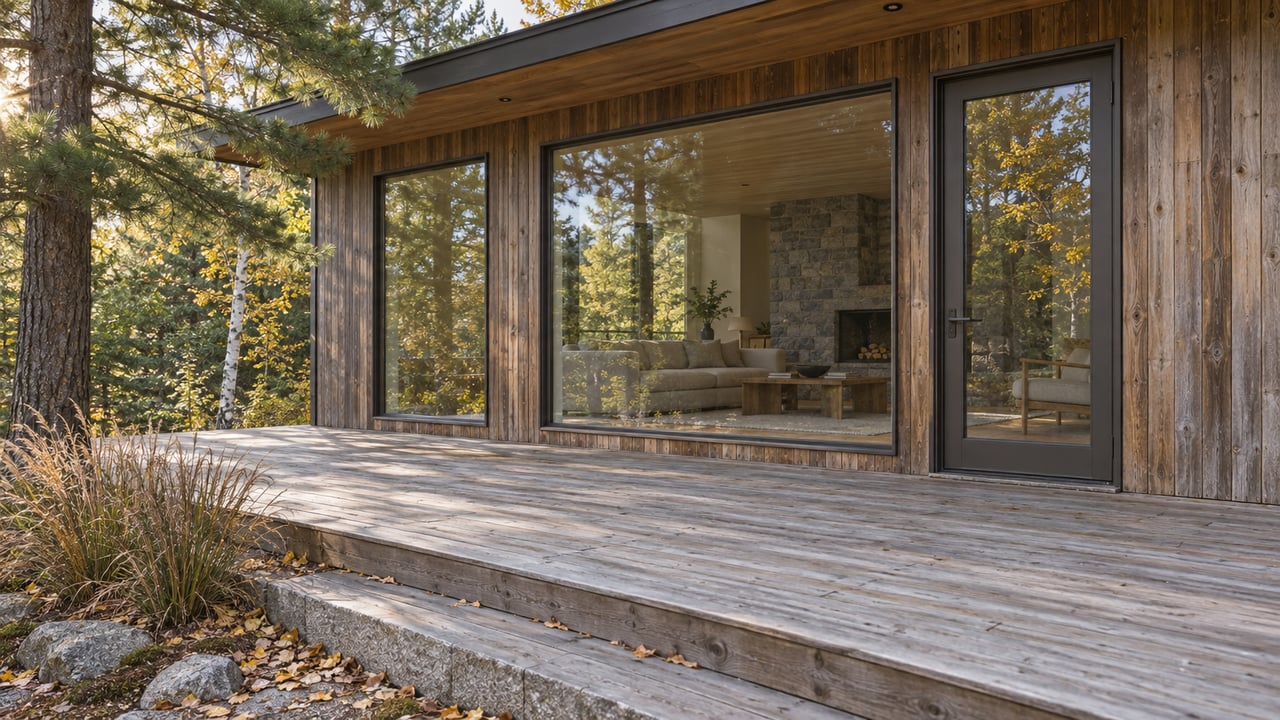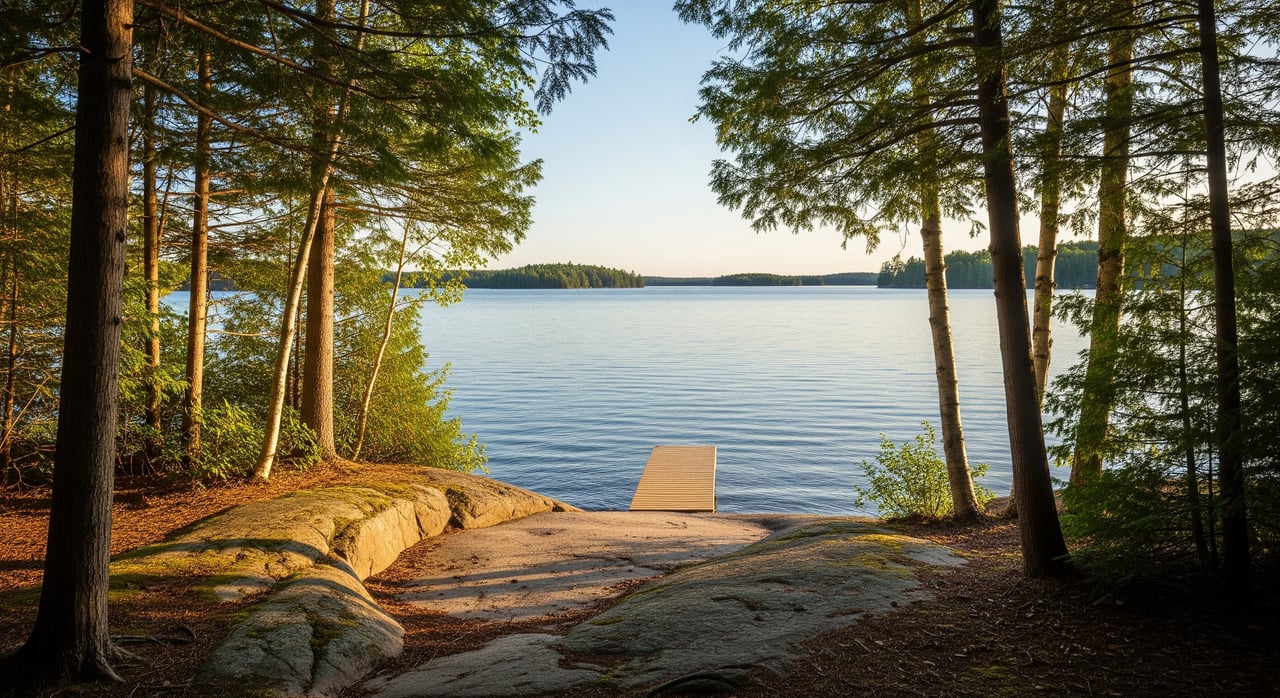
Thinking about buying a vacant waterfront lot in Haliburton but not sure what you can actually build or how you’ll get in year-round? You’re not alone. Zoning rules, conservation overlays, and access can make or break your plans. This guide breaks down what matters most so you can spot red flags early, budget accurately, and move forward with confidence. Let’s dive in.
Zoning basics in Haliburton
Before you fall in love with a shoreline, confirm how the land is zoned. In Haliburton County, the local municipality controls zoning and building permits, while the County and local Official Plans set higher-level policies that shape decisions.
- Common zones for waterfront: Waterfront or Shoreline Residential, Rural or Rural Residential, and Environmental Protection or Natural Heritage areas that can limit building.
- Key controls to check: minimum lot area and lake frontage, setbacks from the high-water mark or top-of-bank, maximum building height and lot coverage, and whether accessory buildings like boathouses or garages are permitted.
- Seasonal vs permanent use: Some shoreline zones permit only seasonal occupancy. If you want a year-round home, verify that the zone allows it and that services and access support it.
Official Plans guide how shorelines, natural heritage, and servicing are managed. They influence what the municipality will approve and how close you can build to the water.
Conservation and shoreline rules
Waterfront development often involves a Conservation Authority. In areas with flood risk, wetlands, unstable slopes, or along shorelines and watercourses, you may need a permit from the applicable Conservation Authority in addition to a municipal building permit.
- Hazard mapping: Ask for a screening to see if your lot falls within floodplain, wetland, or stable-slope areas. A full permit may be required depending on what you plan to do.
- Natural heritage: Features like provincially significant wetlands, fish habitat, or endangered species habitat can change your building location or design, and sometimes prevent development.
- Shoreline work: Docks, boathouses, tree removal, grading, or shoreline hardening are regulated. Many authorities discourage or restrict shoreline alteration to protect the lake.
- Water levels: Lakes in Haliburton can experience seasonal high-water and heavy runoff. Flood mapping and elevation rules may limit building envelopes.
The earlier you confirm conservation constraints, the fewer surprises you’ll face during design and permitting.
Road access: year-round vs seasonal
How you reach the property is central to whether you can live there year-round, get insurance, and build economically.
- Year-round municipal road: Maintained by the municipality and preferred for permanent dwellings and reliable winter access.
- Private or seasonal road: May not be plowed or maintained in winter. This affects emergency response, deliveries, construction logistics, and financing.
- Rights-of-way and easements: Some properties rely on registered rights-of-way over neighboring land. Confirm the legal description and maintenance obligations on title.
Ask the municipality to confirm the road’s status and maintenance details, and verify any legal access rights in the land registry.
Shore road allowances and waterfront edge
In many Ontario waterfront areas, a municipal shore road allowance lies between private land and the water. It might be open, closed, or stopped-up and sold to the owner.
- If the shore road allowance is not closed or owned, it can affect privacy, dock placement, and how far your title extends toward the water.
- Not every lot includes ownership right to the water’s edge. Some edges are Crown land. Always confirm title, survey, and municipal records.
Understanding the exact boundary and any municipal interest at the shoreline helps you plan buildings, docks, and vegetation management correctly.
Utilities: hydro, septic, and wells
Most vacant waterfront lots in Haliburton rely on on-site services and a local hydro distributor.
- Hydro: Connection feasibility and cost depend on distance to the nearest line, transformers, and whether new poles or easements are required. Off-grid options like solar plus battery are possible, but permits still apply.
- Septic: Waterfront lots typically require on-site septic. The local health unit reviews and approves designs, including setback requirements from the high-water mark. Soil conditions, shallow bedrock, and proximity to the lake can drive more complex systems.
- Wells: Private wells are common. Water quality and yield vary by site. A hydrogeological or site evaluation can help you plan location and depth.
Confirm utility feasibility during due diligence. Service constraints can change your build layout, cost, and timeline.
How to verify a lot before you buy
Use this streamlined workflow to surface issues early:
- Get the title and any survey. Confirm boundaries, easements, rights-of-way, and any shore road allowance.
- Call the municipal planning office for the property’s zoning, Official Plan policies, shoreline setbacks, and whether the road is year-round or seasonal.
- Ask the applicable Conservation Authority for hazard mapping and a screening letter to learn if permits are required.
- Contact the local health unit about septic approvals and whether any past files exist for the lot.
- Request a hydro feasibility check from the local distributor, including distance to service and a cost estimate.
- Commission a preliminary site review with an Ontario land surveyor and a qualified septic designer or hydrogeologist.
- If constraints appear, consider a municipal pre-consult or engage a private planner to map a path forward, which could include a minor variance or other approvals.
Timelines to expect
- Conservation Authority screening: a few days to a couple of weeks. Full permit reviews can take several weeks to a few months.
- Municipal zoning checks and building permit review: weeks to months. Minor variances or zoning amendments add more time and require public hearings.
- Hydro connection: several months from application. Larger extensions or transformer work take longer.
- Septic testing and design: scheduling, design, review, and installation can span several weeks or more, depending on site conditions.
Build these windows into your planning so you are not rushed at offer time.
Cost drivers to watch
- Hydro extension distance and required infrastructure.
- Purchasing or closing a shore road allowance, or legalizing a right-of-way.
- Slope stabilization, retaining structures, or specialized septic due to shallow bedrock or poor soils.
- Conservation mitigation measures for wetlands, erosion, or shoreline protection.
- Road upgrades required to support construction or permanent use.
A site that seems simple on a map can carry hidden costs once constraints and services are mapped on the ground.
Common pitfalls to avoid
- Assuming you own to the waterline without confirming shore road allowance status and title.
- Designing before you verify setbacks from the high-water mark and any hazard mapping.
- Planning a year-round cottage on a seasonal road without a winter access plan.
- Skipping early contact with the health unit and ending up with a septic design that does not fit the lot.
- Overlooking shared access or maintenance obligations in rights-of-way and easements.
Who to involve early
- Municipal planner for zoning, setbacks, and Official Plan policies.
- Conservation Authority staff for shoreline and hazard rules and permit needs.
- Local health unit for septic requirements and file history.
- Ontario land surveyor to confirm boundaries and shore road allowance status.
- Septic designer or hydrogeologist to test soils and design servicing.
- A real estate lawyer for title review and easements.
Bringing the right people in early helps you avoid delays and protects your investment.
Your next step
When you find a lot you love, move quickly on verification. Confirm zoning, conservation triggers, access, and servicing before you firm up an offer. If you want a seasoned local guide who understands Haliburton’s lake-by-lake nuances and how to navigate these moving parts, connect with Greg McInnis. We’ll help you confirm feasibility, line up the right professionals, and negotiate with confidence.
FAQs
Can I build a year-round cottage on a vacant lot in Haliburton?
- It depends on zoning, septic and water servicing, and whether you have year-round municipal road access, plus any Conservation Authority constraints.
How close can I build to the shoreline on a Haliburton lake?
- Setbacks vary by municipality and may be further restricted by Conservation Authority hazard mapping; verify the high-water mark and applicable setback rules first.
What is a shore road allowance and why does it matter?
- It is a strip of municipal land along the shoreline in some areas; if not closed or owned, it can affect your title line, privacy, and where you can place docks or structures.
Who maintains a private or seasonal access road in Haliburton?
- Maintenance on private or seasonal roads is not municipal; responsibilities are usually shared by owners through agreements and should be confirmed on title.
How do I confirm septic feasibility for a waterfront lot?
- Commission a site evaluation and septic design from a qualified designer and review requirements with the local health unit before you finalize plans.
How can I tell if hydro can reach my lot affordably?
- Ask the local distributor for a feasibility review that confirms the distance to existing service, required equipment, permits, and a cost estimate.