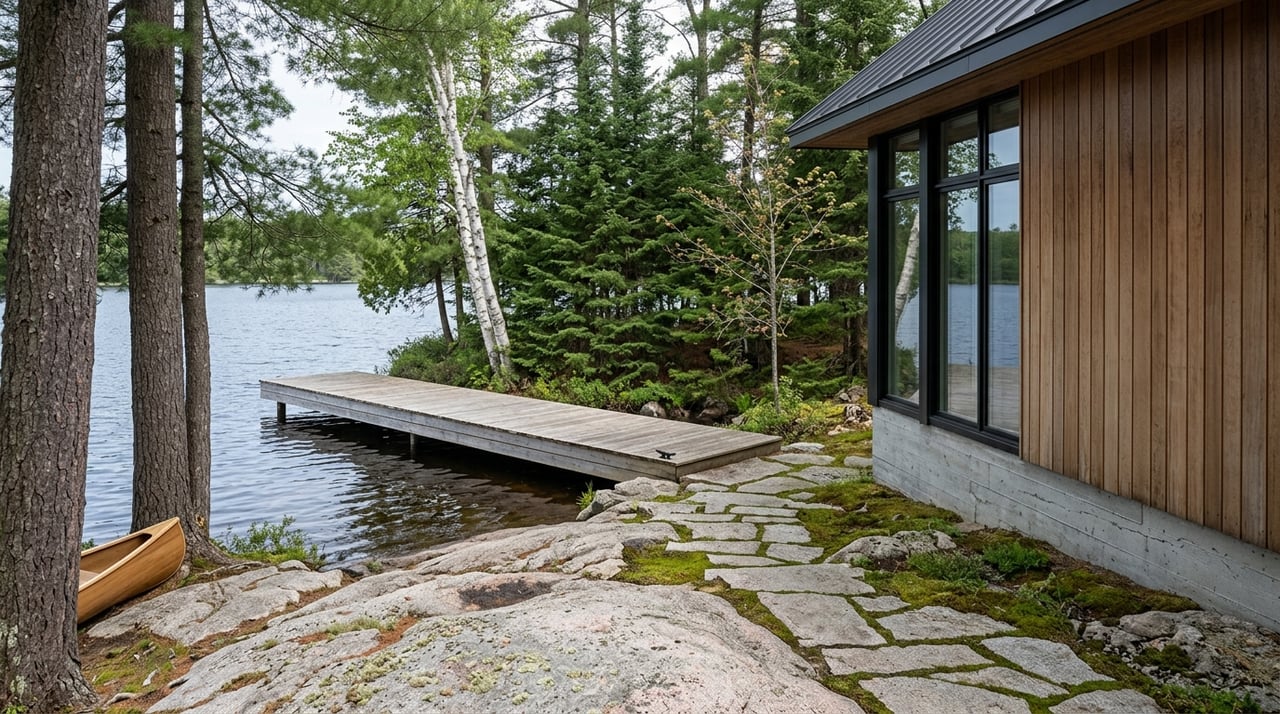
Trying to choose between Muskoka’s famous Big Three and a smaller lake? That decision shapes everything from how you spend your weekends to what you pay and how connected you feel to the wider region. If you are weighing lifestyle, boating, privacy, and budget, this guide will help you sort out which lake setting fits you best. Let’s dive in.
What Are the Big Three?
In Muskoka, the “Big Three” refers to Lake Muskoka, Lake Rosseau, and Lake Joseph. These are the region’s best-known lakes, and they stand apart both for size and for how people use them.
Lake Muskoka is the largest at about 121 square kilometers, while Lake Rosseau is about 63.9 square kilometers and Lake Joseph is about 54.6 square kilometers. The Muskoka Watershed Council notes that Lake Muskoka is larger than Rosseau and Joseph combined, which helps explain why these lakes often feel like a distinct category within the broader Muskoka market.
Another reason they stand out is connectivity. Port Carling sits between Lake Muskoka and Lake Rosseau, and Lake Rosseau also connects to Lake Joseph through Port Sandfield, creating a boating network rather than three completely separate lakes.
Why the Big Three Feel Different
If boating is central to your cottage lifestyle, the Big Three usually offer the broadest range of options. You can plan longer cruising routes, access marina services more easily, and travel by water to villages, restaurants, and public stops.
The Township of Muskoka Lakes docks and boat launches page shows a dense network of municipal access points on Lake Muskoka, Lake Rosseau, and Lake Joseph. Port Carling is a major hub, and Gravenhurst also plays an important access role for Lake Muskoka through Muskoka Wharf and road connections.
That infrastructure changes the day-to-day experience. On the Big Three, your lake life can feel more connected, more mobile, and more social simply because there are more routes, more services, and more places to go.
How Smaller Lakes Compare
Muskoka is not just the Big Three. The region also includes many other lake options, with the Muskoka Lakes Chamber highlighting the Big Three plus 77 other lakes in the area.
For many buyers, that opens up a different kind of appeal. Smaller and mid-size lakes often come with less boating infrastructure, fewer launches, and less through-traffic, which can translate to a quieter and more private feel.
That does not mean every smaller lake feels remote, and it does not mean every buyer wants less activity. It simply means the experience is often more about your shoreline, your immediate surroundings, and a slower pace than about a broad connected boating circuit.
Boating and Access Considerations
A simple way to think about this choice is to ask how you want to use the water.
If you picture full-day boating, docking in different communities, fueling up at marinas, and making the boat part of your transportation as well as your recreation, the Big Three usually fit that vision best. Their connected layout and stronger service network support a more active on-water lifestyle.
If you picture morning paddles, shorter boat rides, quieter afternoons at the dock, and less interest in busy boating routes, a smaller lake may feel more natural. In that case, convenience may matter less than calm water, privacy, and the overall feel of the lot.
Is Lake Muskoka the Most Versatile?
In many cases, yes. Lake Muskoka has the largest surface area of the Big Three and multiple public launch points in places such as Bracebridge, Gravenhurst, Bala, and Milford Bay.
That scale gives buyers flexibility. If easy access and a wide range of boating routes matter to you, Lake Muskoka often lands on the shortlist.
Does Lake Joseph Feel More Secluded?
It can feel that way in relative terms, but context matters. Lake Joseph is the smallest of the Big Three, yet it is still a large and highly developed lake with marinas and public launches.
So if you are looking at Lake Joseph for privacy, it is better to think of it as more selective in feel rather than truly isolated. Seclusion in Muskoka is often more about the specific bay, shoreline, and property positioning than the lake name alone.
Price Differences Matter
The Big Three sit in a clear premium tier within Muskoka’s waterfront market. According to a 2025 waterfront comparison, median sale prices were about $2.415 million on Lake Muskoka, $3.8 million on Lake Rosseau, and $5.8 million on Lake Joseph.
For context, the broader Muskoka detached waterfront median was about $1.172 million. That gap shows just how strong the pricing premium can be when you move into the Big Three category.
It is also important to read Muskoka pricing carefully. One 2025 market analysis notes that average sale prices in Muskoka Lakes can be pulled upward by trophy sales, while the typical sale price can be much lower. For buyers, that is a useful reminder that median and typical pricing are often more meaningful than simple averages.
Are Smaller Lakes Better Value?
Sometimes, but not automatically. A smaller or mid-size lake may offer better budget efficiency compared with the Big Three, especially if you care more about lot features and privacy than a marquee lake name.
Still, smaller lakes are not always inexpensive. A regional market report described Lake of Bays as the second-priciest waterfront market behind Muskoka Lakes, which is a good reminder that desirability is not limited to the Big Three.
That same market commentary suggests smaller lakes can be more price-sensitive and more open to negotiation, while core lakes like Joseph, Rosseau, Muskoka, and Lake of Bays tend to hold deeper demand and stronger liquidity. In practical terms, that means some buyers may find more room to negotiate off the Big Three, but not necessarily a low entry point.
Choosing the Right Muskoka Fit
The best choice usually comes down to what you want your weekends and summers to look like.
If you want iconic Muskoka, broad boating access, and the strongest luxury profile, the Big Three are the natural place to start. They offer scale, connectivity, and a level of recognition that continues to support premium pricing.
If you want a quieter shoreline, less traffic, or a more efficient way to buy into Muskoka waterfront, smaller and mid-size lakes may be a better match. In many cases, you may be able to focus more on the property itself, such as frontage, privacy, topography, or sunset exposure, rather than paying primarily for lake prestige.
A Simple Comparison
| Priority | Big Three | Smaller or Mid-Size Lakes |
|---|---|---|
| Boating range | Broad, connected routes | Usually more limited |
| Marina and launch access | Strongest in the region | Often less extensive |
| Access to villages and amenities | More connected by water | Usually less direct |
| Privacy and quiet feel | Varies, often busier | Often quieter by comparison |
| Price positioning | Premium to ultra-premium | Varies widely |
| Negotiation potential | Often lower on core lakes | Can be higher in some markets |
Final Thoughts
There is no universal “best” lake in Muskoka, only the lake that best matches how you want to live. The Big Three offer prestige, scale, and boating access that are hard to match, while smaller lakes can offer a more private, lower-traffic experience and, in some cases, better budget alignment.
If you are comparing lake options in Muskoka and want a clearer read on value, fit, and long-term resale potential, working with a waterfront-focused advisor can save you time and help you narrow the field faster. When you are ready to explore Muskoka waterfront with a more tailored strategy, connect with Greg McInnis for knowledgeable, personalized guidance.
FAQs
What are the Big Three lakes in Muskoka?
- The Big Three are Lake Muskoka, Lake Rosseau, and Lake Joseph.
Is Lake Muskoka the most accessible Big Three lake?
- In many cases, yes. Lake Muskoka has the largest surface area and multiple launch points, which makes it one of the most versatile lakes for access and boating.
Are smaller Muskoka lakes always more affordable?
- No. Some smaller or mid-size lakes still command premium pricing, and affordability depends on the specific lake, property, and market conditions.
Which Muskoka lakes are best for boating access?
- The Big Three are typically the strongest choice for boating access because they offer connected routes, marina services, and more public access points.
Should you choose a smaller Muskoka lake for privacy?
- Often, yes, if privacy and a quieter shoreline matter more to you than broad boating infrastructure and social lake traffic.