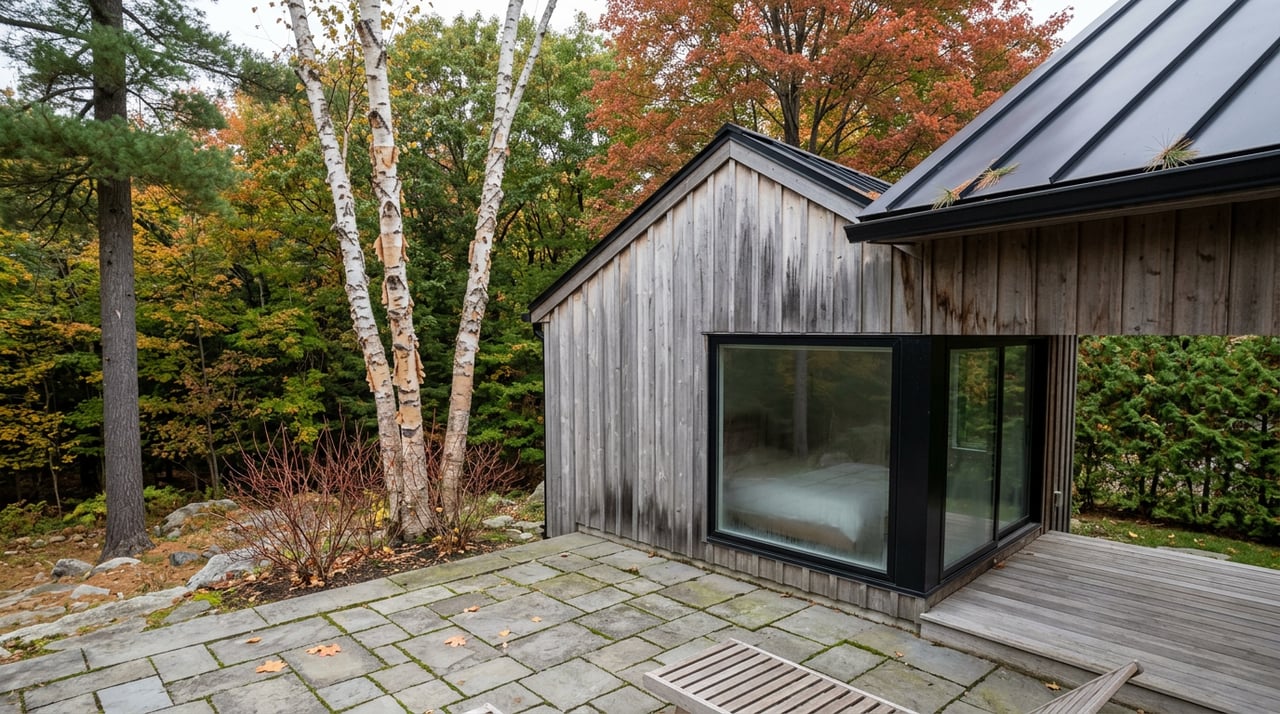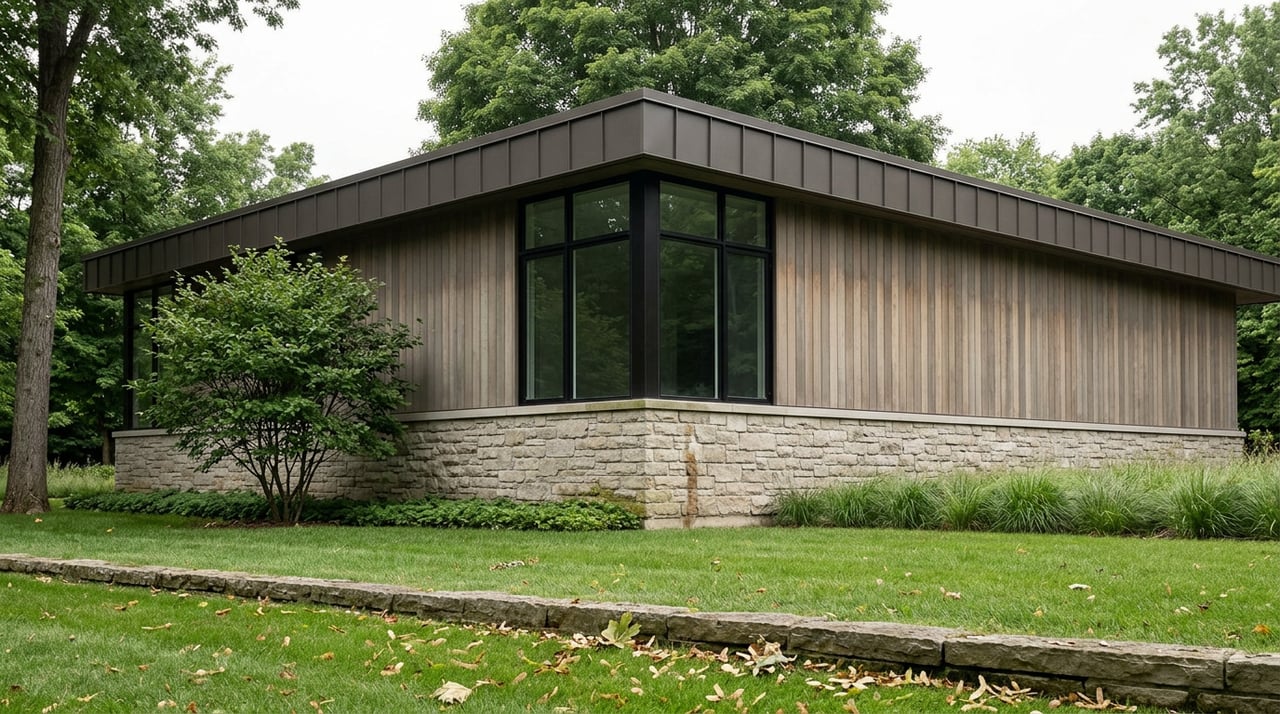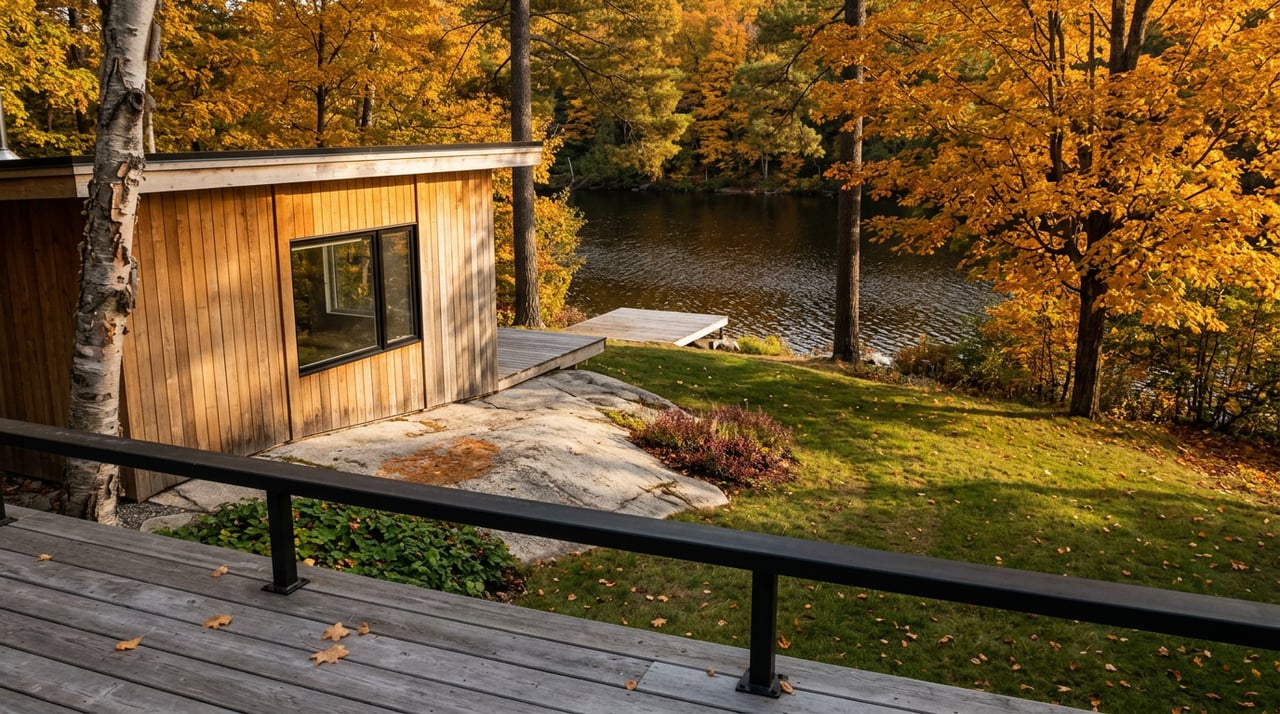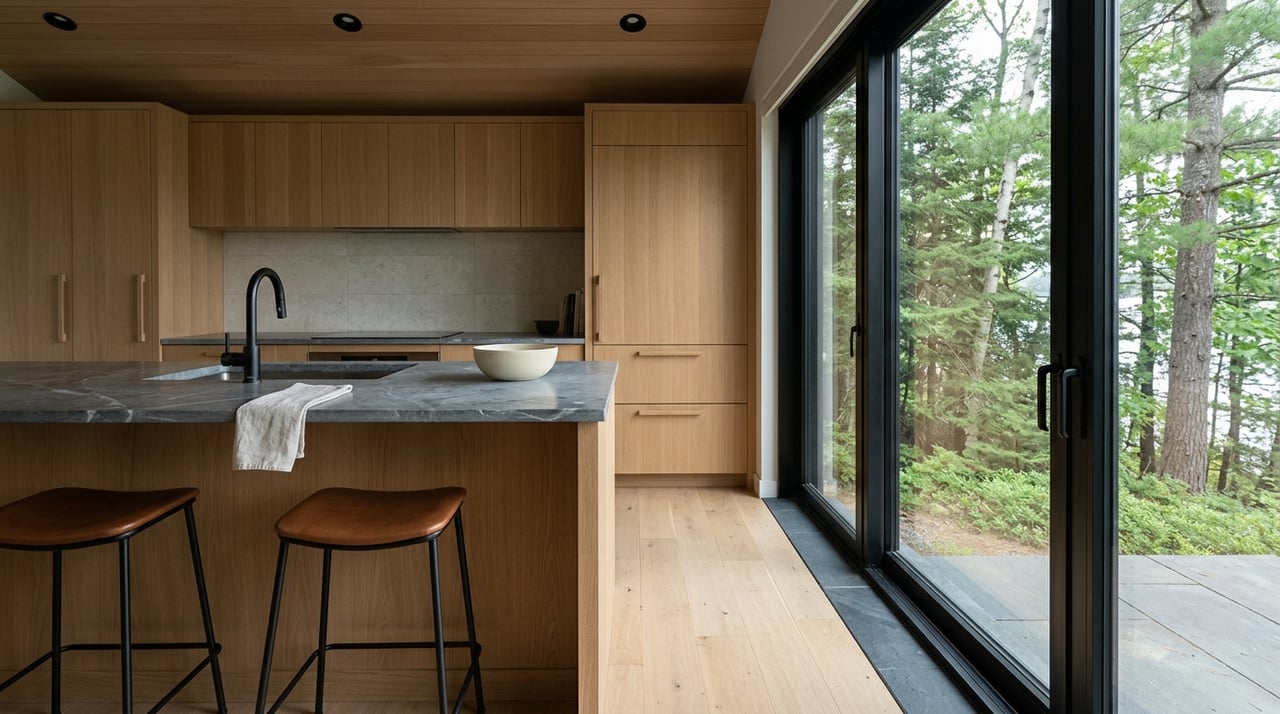
If you are thinking about buying or repositioning a waterfront cottage in Kawartha Lakes as a rental, the view alone is not enough. A property can look perfect in photos and still have limited income potential because of access, parking, septic limits, or local operating rules. The good news is that Kawartha Lakes has a strong four-season destination story, and with the right checklist, you can assess a cottage more clearly before you commit. Let’s dive in.
Why Kawartha Lakes draws renters
Kawartha Lakes is marketed as a four-season destination with more than 250 lakes and rivers, 15 public beaches, boating, paddling, fishing, trails, and the Trent-Severn Waterway. It is also promoted as being about 90 minutes northeast of Toronto. That matters because many guests are not just booking a cottage, they are booking an easy outdoor escape.
For you as a buyer or owner, that means rental appeal often depends on the full experience around the property. A cottage that supports time on the water, outdoor recreation, and simple day trips can have broader appeal than one that only offers a place to sleep.
Seasonality shapes rental income
Summer is the core waterfront season in Kawartha Lakes, but it is not the whole story. Regional tourism materials highlight spring trails, birding, fishing, farms, and arts, then fall scenic drives and harvest experiences, followed by winter activities like snowmobiling, skating, cross-country skiing, and ice fishing.
Climate normals from nearby Peterborough support that pattern. With an average last spring frost of May 17, an average first fall frost of October 1, and a 136-day frost-free period, the strongest booking window is usually late spring through early fall. Shoulder-season demand is more realistic when a cottage has dependable heating, safe access, and features that work outside peak lake season.
Summer-only versus four-season use
A summer-only cottage can still perform well, but it usually depends more heavily on peak weeks. A four-season property may have more flexibility to spread bookings across spring, fall, and winter if it is comfortable, accessible, and practical when temperatures change.
That distinction matters when you assess value. If a property is hard to reach in wet weather, difficult to heat, or not set up for colder months, its rental story may be narrower than the listing suggests.
Waterfront access is the first test
In Kawartha Lakes, direct water access is one of the clearest drivers of guest appeal. Official tourism messaging puts boating, paddling, beaches, launches, docks, and the Trent-Severn Waterway front and center, so renters will often care about what the waterfront actually lets them do.
When you evaluate a cottage, look beyond the words “waterfront” or “lake access.” You want to know whether the shoreline is practical for swimming, paddling, docking, or loading gear without frustration.
Questions to ask about the shoreline
- Is there direct water access, or is the access shared or limited?
- Is the dock usable for the kind of boating the area attracts?
- Is the shoreline realistic for swimming or launching paddlecraft?
- Does the property function well for guests carrying coolers, bags, and water gear?
A beautiful view can support lifestyle value, but functional access often supports rental value.
Parking and access can make or break operations
One of the most overlooked parts of rental potential is how guests actually arrive and use the site. The City of Kawartha Lakes identifies parking issues on private roads as a common short-term rental concern, along with noise, fires outside permitted burn times, and dogs at large.
That should tell you something important. If a cottage has a tight shared driveway, limited turnaround space, or awkward parking for multiple cars, guest operations become harder from day one.
What practical access looks like
A stronger rental candidate usually has straightforward arrival and parking. Guests should be able to unload safely, park without conflict, and understand where vehicles belong.
If the property is likely to attract boaters, trailer parking may matter too. Even if the cottage itself is appealing, access problems can reduce guest satisfaction and increase neighbour friction.
Septic capacity sets a real occupancy limit
This is one of the most important checks in Kawartha Lakes. According to the city's short-term rental FAQ, maximum occupancy is based on septic capability and two persons per bedroom, and children count toward the total.
In plain terms, that means you cannot estimate rental income based on bedroom count alone. If the septic system supports fewer occupants than you expected, the revenue model may need to change.
Why this matters before you buy
Many buyers see extra bunks, a finished basement, or a flexible sleeping layout and assume higher capacity. In practice, the municipality ties occupancy to the approved limits, not to how many beds you can fit in the house.
Before you underwrite income, confirm what the septic system supports. For a waterfront rental, this is not a minor detail. It can directly affect nightly pricing, guest count, and the kind of group the property can legally host.
Outdoor setup matters more than many owners expect
In cottage country, outdoor space is part of the product. Guests often picture evenings outside, time by the water, and a classic fire pit experience.
But in Kawartha Lakes, that experience also needs to work within local rules. The city says owners need a seasonal burn permit if any fires occur on the property, and the fire pit area must comply with municipal open-air burn requirements.
What to look for outside
- A safe, clearly defined gathering area
- Space that feels usable without crowding neighbours
- A practical layout between the cottage, parking, and shoreline
- An outdoor setup that can be managed with clear guest instructions
A cottage can still rent well without every outdoor feature, but the easier the outdoor experience is to use and supervise, the easier it is to operate consistently.
Licensing is a core part of rental potential
If you want to rent, advertise, or offer a single detached dwelling in Kawartha Lakes for fewer than 28 consecutive days, the city requires registration as a short-term rental accommodation. The municipality also states that the number of short-term rental registrations is not restricted.
That makes licensing a key part of your analysis, not an afterthought. A property's ability to operate depends on more than market demand. It also depends on whether the site and your operating plan fit the city's current framework.
Important licensing details for buyers
The city's bylaw distinguishes between hosted and un-hosted classes and sets 6-month and 1-year licence durations. It also states that licences expire on sale or transfer and cannot be assigned to another person.
For you, that means a seller's current setup does not automatically transfer with the purchase. You should treat licence status and operating class as property-specific and buyer-specific items to confirm directly.
Neighbour fit affects long-term success
The city provides a 24/7 complaint process for short-term rentals and requires a responsible person so concerns can be addressed with guests before municipal involvement. From an owner's perspective, that points to a simple truth: cottages that are easier to manage tend to be better rental candidates.
Properties with lower conflict risk, clearer parking, and better separation between guest activity areas and neighbouring homes are often easier to operate over time. Rental potential is not just about how attractive a cottage looks online. It is also about how smoothly it functions in the real world.
A simple way to assess a cottage
If you are comparing waterfront properties in Kawartha Lakes, use a practical lens. The strongest rental candidates often combine location appeal with operational simplicity.
Here is a good short list to work through before you buy or reposition a cottage:
- Confirm the type and quality of water access
- Check whether parking works for real guest use
- Verify septic-supported occupancy
- Assess whether the cottage is truly usable in more than one season
- Review the current municipal licensing path
- Consider neighbour conflict risk and local contact planning
- Look at the outdoor setup, including burn-permit requirements
When these pieces line up, a cottage has a stronger chance of performing as a rental. When one or two are weak, the property may still be a wonderful personal retreat, but its income potential can be more limited.
Rental potential is about fit, not hype
The best rental properties in Kawartha Lakes are not always the flashiest ones. Often, they are the cottages with straightforward access, practical parking, adequate septic capacity, a safe outdoor setup, and enough year-round functionality to support more than one season of demand.
That is where experienced local guidance can make a real difference. When you understand how a property fits both the market and the municipal framework, you can make a better decision about pricing, positioning, or whether the cottage is the right purchase at all.
If you are weighing the rental potential of a Kawartha Lakes waterfront cottage, or considering the best way to position a property for sale, Greg McInnis can help you assess the details that matter most.
FAQs
What makes a Kawartha Lakes cottage attractive to short-term renters?
- The strongest appeal usually comes from usable water access, a good outdoor setup, and proximity to the area's boating, paddling, beaches, trails, and small-town experiences.
How long is the main rental season for Kawartha Lakes waterfront cottages?
- The core season is typically late spring through early fall, with the strongest demand in summer and additional shoulder-season potential for heated, easy-to-access cottages.
How is occupancy set for a short-term rental in Kawartha Lakes?
- The City of Kawartha Lakes says maximum occupancy is based on septic capability and two persons per bedroom, and children count toward the total.
Do short-term rental licences transfer with a cottage sale in Kawartha Lakes?
- No. The city's bylaw states that licences expire on sale or transfer and cannot be assigned to another person.
Why do parking and driveway layout matter for a Kawartha Lakes rental cottage?
- The city identifies parking issues on private roads as a common concern, so safe parking, turnaround space, and realistic guest access can have a big impact on operations.
Can a summer cottage in Kawartha Lakes still have rental potential?
- Yes. A summer-only cottage may still rent well during peak lake season, but a true four-season property may have more chances to spread bookings across spring, fall, and winter.