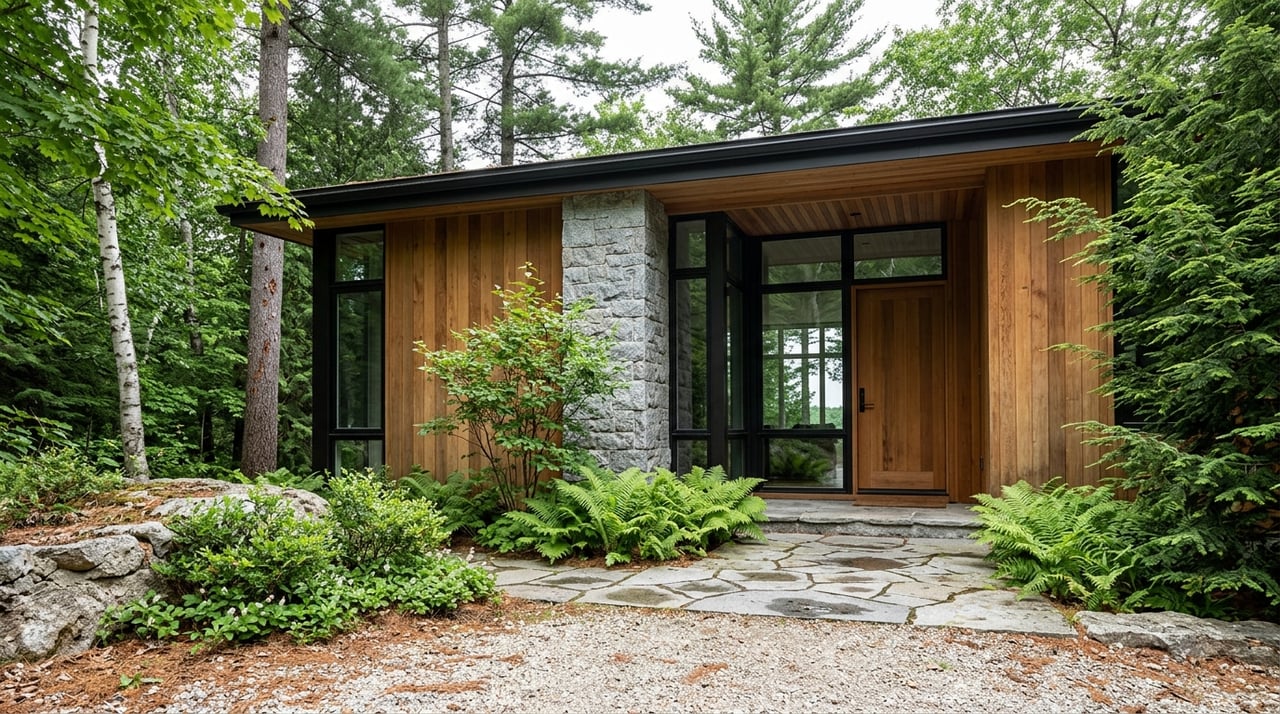
If you are trying to choose between Kawartha Lakes, Muskoka, and Haliburton, you are not just picking a map pin. You are choosing the kind of cottage life you want, how easily you can get there, and what your days on the water will actually feel like. This guide breaks down the differences in a practical way so you can better match your goals to the right Ontario cottage region. Let’s dive in.
Start With Your Cottage Priorities
The best region for you depends on how you plan to use the property. Some buyers want quick access from the GTA and easy boating. Others want a classic big-water cottage setting, or a quieter place that feels more tucked into nature.
Across these three regions, the lifestyle differences are real. Kawartha Lakes is the most access-friendly and water-forward, Muskoka is the most established and iconic cottage-country brand, and Haliburton leans more private, nature-led, and paddle-focused.
Kawartha Lakes at a Glance
Kawartha Lakes stands out for its mix of waterfront access, towns, beaches, and boating infrastructure. The City highlights more than 250 lakes along with rivers, streams, and beaches, and the area is closely tied to the Trent-Severn Waterway.
For many buyers, that means a region that feels practical as well as scenic. It is also the quickest of the three to reach from Toronto, at about 90 minutes or 132 km, with access via four provincial highways.
What the waterfront feels like
Kawartha Lakes is ideal if you picture easy lake access and active days on the water. Municipal amenities include boat launches, docks, beaches, and paddle-sport rentals, while the Trent-Severn Waterway adds lock-station cruising and boater services.
This is a strong fit if you enjoy day trips by boat, cottage weekends with guests, or being near villages and services. It is worth knowing that lock areas can get busy in summer, especially during peak boating season.
What the landscape feels like
The setting in Kawartha Lakes is varied rather than dramatic in one single way. Official destination material describes a mix of gentle and rugged terrain, plus a strong trail network and a summer identity tied to beaches, camping, and water-based recreation.
That can translate into waterfront that feels easier to use day to day. You also see a mix of sandy beach settings, more natural shorelines, and a strong connection to recreation both on and off the water.
Muskoka at a Glance
Muskoka is the most recognizable name of the three. It is widely known as a summer escape from Toronto, and official tourism sources describe an established hospitality scene with more than 100 places to stay, from cottages to full-service resorts.
For buyers, Muskoka often carries the strongest classic cottage-country identity. The landscape is rooted in the Canadian Shield, with rocky ridges, granite shoreline, heavy forest cover, and a broad network of lakes.
What the waterfront feels like
If your idea of cottage life includes larger-water boating and iconic shoreline views, Muskoka is the strongest match. Tourism materials emphasize cruises and water recreation on Lake Muskoka, Lake Rosseau, Lake Joseph, and Lake of Bays, along with waterskiing, wake surfing, canoeing, kayaking, and paddleboarding.
In simple terms, Muskoka feels built for being on the water in a big, visual, memorable way. It is a region where boating is not just part of the experience. It is often the centerpiece.
What the property profile feels like
Muskoka has a more rugged Shield character than Kawartha Lakes. Regional and provincial materials describe ancient granitic bedrock, thin soils, rocky terrain, and heavily forested land, while local reporting notes that many properties are large and policies aim to protect waterfront character.
That gives the region a more premium and established waterfront feel. If you are drawn to a strong cottage-country identity, larger-scale lake settings, and a well-known second-home market, Muskoka tends to stand out.
Haliburton at a Glance
Haliburton Highlands has a different rhythm. Tourism materials emphasize fresh air, scenic landscapes, small-town charm, and a quieter outdoor experience, with more than 600 lakes and rivers across rolling Canadian Shield hills.
For buyers, Haliburton often appeals when privacy matters more than buzz. It is farther from Toronto than Kawartha Lakes, generally about 2.5 to 3 hours, but many people see that tradeoff as part of the appeal.
What the waterfront feels like
Haliburton is more paddle-centric than cruise-centric. The region highlights canoeing, kayaking, and stand-up paddleboarding as core experiences, with routes that can feel more remote and adventure-driven.
Some lakes are non-motorized or function as quiet-water destinations, while others do have motorboat activity. Overall, the lifestyle tends to suit buyers who want a calmer, more nature-led experience on the water.
What the shoreline feels like
Haliburton has a more secluded and conservation-minded shoreline character. County guidance encourages native shoreline vegetation, reduced clearing, and development patterns that preserve larger natural buffers.
That approach supports the region’s natural feel. Tourism materials reinforce it with references to forested routes, remote gravel roads, rolling Shield terrain, and a large forest reserve spanning more than 100,000 acres with 100 lakes and 400 wetlands.
Comparing Access From Toronto
For many second-home buyers, drive time shapes how often you will realistically use the property. If you want more spontaneous weekends or shorter travel days, access matters just as much as the lake itself.
Here is the broad comparison based on official regional sources:
| Region | Typical drive from Toronto | General access feel |
|---|---|---|
| Kawartha Lakes | About 90 minutes | Easiest and most convenient |
| Muskoka | About 2 hours | Moderate access, varies by destination |
| Haliburton | About 2.5 to 3 hours | Farther north, quieter feel |
Kawartha Lakes clearly leads on convenience. Muskoka remains reachable for many GTA buyers, while Haliburton asks for a bit more drive time in exchange for a quieter and more secluded setting.
Which Region Fits Your Lifestyle?
A simple way to compare these regions is to think about how you want to spend your time once you arrive. The right answer is less about which area is best overall and more about which one fits your version of cottage ownership.
Choose Kawartha Lakes if you want convenience
Kawartha Lakes is often the best fit if you want a balance of waterfront living and practical access. It suits buyers who value easier trips from Toronto, lock-system boating, beaches, municipal waterfront amenities, and connections to towns and services.
This region makes a lot of sense if your cottage will be used often, shared with family or guests, or tied to active summer boating. It is especially compelling if ease of access is high on your list.
Choose Muskoka if you want classic cottage-country appeal
Muskoka is a strong fit if you picture larger-water boating, granite shoreline views, and a region with a deep-rooted cottage reputation. It also appeals to buyers who enjoy the presence of resorts, cruises, and a broader tourism ecosystem.
If your vision of a second home includes an iconic Ontario waterfront setting, Muskoka is often the benchmark. Its identity is polished, established, and widely recognized.
Choose Haliburton if you want privacy and quiet water
Haliburton is a natural choice if you want a more secluded outdoor experience. It suits buyers drawn to paddling, forest cover, rolling Shield hills, and shorelines that feel more preserved and less built-up.
For many people, Haliburton offers a version of cottage life that feels more personal and more tied to the landscape. If privacy, quiet, and a back-to-nature setting matter most, this region is often the strongest match.
The Right Choice Depends on How You Live
There is no single winner between Kawartha Lakes, Muskoka, and Haliburton. Each region offers a distinct version of Ontario cottage ownership, and each can be the right move depending on your priorities.
If you want faster access and easy boating, Kawartha Lakes has a strong advantage. If you want recognizable big-lake cottage country, Muskoka is hard to ignore. If you want a quieter, more natural setting with a strong paddling culture, Haliburton stands apart.
When you are weighing these options, local guidance can make the decision much clearer. If you are comparing cottage regions and want tailored advice on waterfront properties, buyer fit, or timing your move, connect with Greg McInnis for a more informed next step.
FAQs
Which cottage region is easiest to reach from Toronto?
- Kawartha Lakes is the easiest of the three to reach, at about 90 minutes or 132 km from Toronto, with access via four provincial highways.
Which Ontario cottage region feels most like classic cottage country?
- Muskoka is the most established and widely recognized cottage-country brand, with big-water boating, granite shoreline, and a strong resort and cruise culture.
Which cottage region is best for a quieter waterfront lifestyle?
- Haliburton is the quietest and most nature-led of the three, with a stronger focus on paddling, privacy, forest cover, and more secluded lake settings.
What makes Kawartha Lakes different from Muskoka and Haliburton?
- Kawartha Lakes stands out for its mix of easier access, more than 250 lakes, Trent-Severn lock-system boating, beaches, municipal waterfront amenities, and links to towns and services.
Which region is better for boating versus paddling?
- Kawartha Lakes and Muskoka are stronger matches for boating-focused buyers, while Haliburton is more paddle-centric, especially for buyers looking for quiet-water or more remote outdoor experiences.